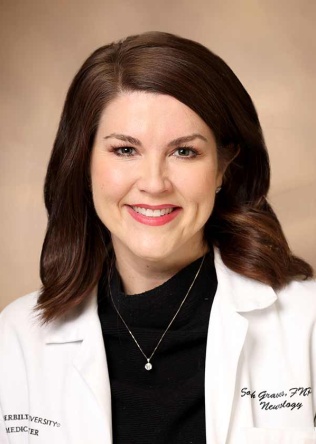
Angela N. Crudele, MD

Angela
N.
Crudele
MD
Assistant Professor
Epilepsy
Associate Program Director
Epilepsy Fellowship

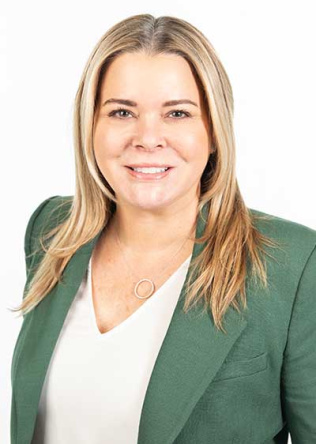
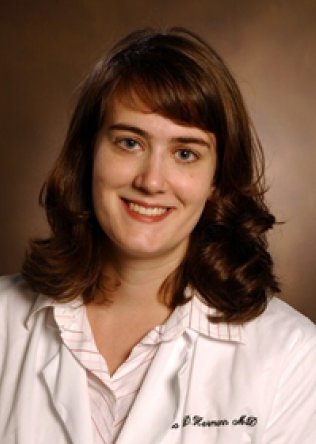
Dr. Crudele joined the faculty of Vanderbilt University Medical Center in 2019 as Assistant Professor of Neurology, specializing in epilepsy. In addition to her inpatient and outpatient care of patients with epilepsy, Dr. Crudele is active in the area of fellow education and participates in frequent teaching conferences and bedside teaching with trainees. She is the Associate Program Director for the Epilepsy Fellowship. She has multiple teaching roles throughout the Vanderbilt Medical School.

Dr. Crudele earned a BA in History in 2008 from Williams College in Williamstown, MA. She attended Jefferson Medical College of Thomas Jefferson University Hospitals in Philadelphia, PA where she earned MD in 2013. She remained in Philadelphia where she completed an internship followed by Neurology residency at Thomas Jefferson University Hospital. She served as chief resident in her final year of residency. She then completed two years of dedicated epilepsy fellowship training at the Cleveland Clinic Foundation in Cleveland, OH. Her second year of training was focused on the surgical care of medically intractable epilepsy during which time she also served as chief fellow. 

Michael K. Cooper, MD

Michael
K.
Cooper
MD
Associate Professor
Neuro-oncology
Chief
VA Neurology

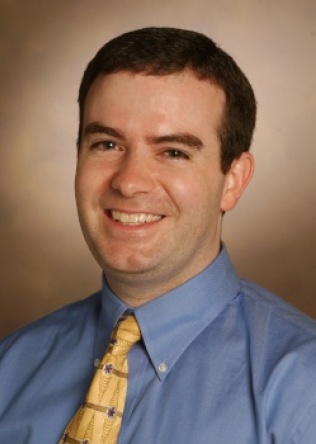
Dr. Cooper is the Chief of Neurology at the Veteran’s Affairs Medical Center. He is an Associate Professor of Neurology in the Neuro-Oncology Division. Dr. Cooper earned his medical degree from the University of Alabama School of Medicine. During medical training, he received a Howard Hughes Medical Student Research Training Fellowship to study molecular genetics in the laboratory of Dr. Jeffrey C. Hall at Brandeis University. Dr. Cooper completed residency and fellowship training at the Johns Hopkins Hospital. Dr. Cooper received a Howard Hughes Postdoctoral Research Fellowship for Physicians to study Hedgehog signaling in the laboratory of Dr. Philip A. Beachy in the Department of Molecular Biology and Genetics at the Johns Hopkins School of Medicine.

The Cooper laboratory studies brain tumor cellular heterogeneity with respect to molecular pathways that drive glioma cell growth and adaptive responses to therapeutic modalities. Towards these goals, the laboratory utilizes a patient tissue repository to identify the specific glioma subtypes in which the Hedgehog signaling pathway is operational and activated. Dr. Cooper’s research team has established a preclinical model for growing human malignant gliomas in mice to demonstrate that Hedgehog signaling regulates glioma growth and that pathway inhibition enhances survival. The Hh pathway appears to be activated in a subset of glioma cells (CD133+ cells), and determining how Hh signaling impacts this cellular compartment in gliomas is a primary focus of research. Longer term goals of these preclinical studies are to design clinical trials of Hedgehog inhibitors based upon selecting patients with malignant glioma who might best respond to Hedgehog inhibitors, defining the mechanism of action of Hedgehog pathway inhibition on glioma cancer stem cells and avoiding potential mechanisms of drug resistance.

There is a tremendous need to model glioma cellular compartments and their dynamic responses to therapeutic interventions. To address this need, Dr. Cooper’s laboratory is involved in several collaborative efforts. One of these is to generate monoclonal antibodies against heterogeneous malignant glioma cell types. A central goal of these studies is to determine if these antibodies can be used to define subclasses of glioma tumor initiating cells and their lineages.

Ciaran Michael Considine, PhD, ABPP-CN

Ciaran
Michael
Considine
PhD, ABPP-CN
Associate Professor
Behavioral and Cognitive

Dr. Ciaran Michael Considine, PhD, ABPP-CN is an Assistant Professor of Neurology at Vanderbilt University School of Medicine and a board certified clinical neuropsychologist within the associated Vanderbilt University Medical Center. He earned his undergraduate degree at the University of Michigan and graduate degree from the University of Windsor. Subsequently, he completed internship residency at the Detroit VA Medical Center, and then concurrently finished his training as a postdoctoral resident fellow at the Milwaukee VA Medical center and postdoctoral visiting fellow at the Medical College of Wisconsin.

Dr. Considine’s present research interests focus on the intersection between sleep pathology and neurological disease. His primary focus at present is as a coordinating member of the Glymphatics & Cognition Lab. Specifically, his research interests focus on the role of sleep-wake functioning on the brain’s glymphatic system, an important system that is thought to clear brain waste products associated with neurodegenerative dementias. His specific overarching goal is to investigate whether sleep offers a mechanism to optimized glymphatic functioning, potentially reducing or slowing the aggregation of pathology related to dementias.

He also is pursuing other projects related to sleep and cognition, focused on 1) determining whether changes to sleep represent a biomarker (warning) of underlying neuropathology not yet obvious to clinical examination, and 2) whether treating comorbid sleep dysfunction in neurological patients improves their overall neurobehavioral status.

Please call 615-875-1257 for more information about ongoing studies and opportunities to participate.

Dr. Considine is primarily interested in neurodiagnostic consultation within adult neurological populations. His clinical practice neurodegenerative conditions, cerebrovascular disease, acquired brain injury, neuro-oncological disease, sleep disorders, and other medical/neuropsychiatric referrals. He is Director of the Aeromedical Neuropsychology Clinic, where he offers FAA-compliant evaluations for airpersons with possible aeromedically disqualifying neurological or psychiatric conditions. Additionally, he offers neuropsychological fitness-for-duty evaluations for Vanderbilt’s Faculty & Physician Wellness Program. He is Co-director of VUMC’s Brain Health Clinic service model, with services in Neurology and Concierge Medicine, which offers neuropsychological screening for patients seeking to identify medical and lifestyle factors potentially contributing to their cognitive symptoms. As a consulting member of the Vanderbilt Undiagnosed Diseases Program, he contributes to comprehensive workup for patients with difficult to diagnose and rare diseases.

Charles D. Clarke, MD

Charles
D.
Clarke
MD
Professor
Movement

Dr. Charles Clarke is an Assistant Professor of Clinical Neurology at Vanderbilt University Medical Center, a position he has held since 2013. As a general neurologist, he evaluates and treats a wide array of neurological conditions primarily in the outpatient clinical setting in Franklin, TN. Dr. Clarke has presented a number of lectures at local and national conferences, primarily focused on concussions and headaches. He is a member of the American Academy of Neurology, Tennessee Medical Association, Nashville Academy of Medicine, and the Tennessee Academy of Neurology, the latter of which he served as president from 2012-2018.

Dr. Clarke completed his Neurology residency and subsequent Neuromuscular Medicine Fellowship at Vanderbilt. He earned his MD from The Ohio State University College of Medicine and Public Health, and his BS (summa cum laude) from West Virginia University. 

Daniel Claassen, MD, MS

Daniel
Claassen
MD, MS
Professor
Behavioral & Cognitive

Dr. Daniel Claassen is a Professor of Neurology at Vanderbilt University Medical Center, with subspecialty training in movement and cognitive neuroscience. He specializes in the diagnosis and treatment of neurodegenerative disorders characterized by disruptions to cognition, behavior, and movement. He is the chief of the Behavioral and Cognitive Neurology Division.

The theme of my work is to understand the biologic basis of how humans regulate of behavior, and the cognitive processes intrinsic to this nature. My research efforts are focused in patients that suffer from neurodegenerative conditions, and my current studies assess therapeutic outcomes in various neurodegenerative disorders, such as Parkinson, Huntington, and atypical Parkinsonian disorders (PSP and MSA). I also lead a basic research lab which investigates the neurobiological basis neurodegeneration through innovative cognitive neuroscience, neuroimaging tools, and biomarker discovery using patient biofluids. 

For more on Dr. Claassen’s current research, visit the Cognition and Movement Lab page.

Dane M. Chetkovich, MD, PhD

Dane
M.
Chetkovich
MD, PhD
Chair
Department of Neurology
Margaret and John Warner Chair
Neurological Education

Dr. Dane Chetkovich joined the Vanderbilt faculty as the Margaret and John Warner Professor and Chair of the Department of Neurology in 2017. Dr. Chetkovich is a frequently invited speaker at universities and meetings around the country and around the world. He has served on numerous review boards and committees, has participated in a number of study sections and is a member of the American Board of Psychiatry and Neurology committee responsible for writing the certification exam that is required for neurologists to become board-certified in the United States. Dr. Chetkovich is a general neurologist who is licensed to practice medicine in Tennessee, and he has been board-certified by the American Board of Psychiatry and Neurology since 2000.

Dr. Chetkovich has been the recipient of numerous awards and honors, including the Derek Denny-Brown Young Neurological Scholar Award by the American Neurological Association in 2010. He has also received several teaching awards including the John A. Kessler Teaching Award in 2016 and Neurology Resident Teaching Award in 2015.

Dr. Chetkovich earned a BA in Biochemistry and BS in Zoology in 1988 from the University of Texas at Austin. He attended Baylor College of Medicine in Houston, Texas, where he earned a PhD in Neuroscience in 1992 and MD in 1994. He completed an internship at Baylor followed by residency at University of California, San Francisco where he served as chief resident in Neurology and completed a postdoctoral fellowship in 2002. He served at Northwestern University Feinberg School of Medicine in Chicago for fifteen years where he was professor of Neurology and Physiology and director of the Medical Scientist Training Program.

Dr. Chetkovich’s research laboratory is focused on the molecular mechanisms that underlie the targeting of ion channels to synapses and other specialized areas of neurons. In particular, Dr. Chetkovich’s laboratory a multi-faceted approach, including electrophysiological, biochemical, molecular biology tools and gene therapy regulation of voltage-gated ion channels and how regulation of these channels may play a role in neuropsychiatric diseases such as epilepsy, autism and major depressive disorder.

David Charles, MD, Professor and Vice-Chair

David
Charles
MD
Professor
Movement
Vice Chair
Business Development & Strategy

Dr. Charles is Professor and Vice-Chair of Neurology. His research interests include the treatment of spasticity and cervical dystonia and he is currently leading the only clinical trial approved by the United States Food and Drug Administration to test deep brain stimulation in people with early stage Parkinson's disease. 

Dr. Charles is a member of the American Neurological Association, Fellow of the American Academy of Neurology, and Chair of the Alliance for Patient Access. He is a member of Alpha Omega Alpha honor medical society and in 2007 received the CANDLE Award. Recipients are chosen based upon their positive impact on the lives of physicians-in-training and are recognized by their students as examples of excellence in medical education. From 1997-98, Dr. Charles served as a Health Policy Fellow in the United States Senate on the staff of the Labor Subcommittee for Public Health and Safety. In 1998 he studied deep brain stimulation for the treatment of movement disorders as a Fulbright Senior Scholar at the Universitaire de Grenoble in Grenoble, France. In 2000 Dr. Charles was a nominee for the United States House of Representatives from Tennessee’s Sixth Congressional District.

Dr. Charles graduated from Vanderbilt University School of Engineering cum laude in 1986 with a bachelor's degree in Computer Science and Mathematics and earned his medical degree from Vanderbilt University School of Medicine in 1990. He did his internship in the department of Medicine and his residency in the department of Neurology at Vanderbilt. From 1993-94 he was Chief Resident in Neurology, and from 1994-95 he was a Fellow in Movement Disorders and Clinical Neurophysiology at Vanderbilt. In 1996, he completed a Health Care Management course at Vanderbilt’s Owen Graduate School of Management, and in 1997 he completed the Harvard Macy Institute Program for Physician Educators at Harvard Medical School.

Dr. Charles’ clinical research group’s focus is on improving the treatment of movement disorders, with specific interests in early stage Parkinson’s disease, Spasticity, and Cervical Dystonia. It undertakes patient-oriented research in a variety of care settings including outpatient clinics, residential care homes, and long-term care facilities. 

Deep Brain Stimulation in Early Stage Parkinson’s Disease: More than one million Americans are living with Parkinson’s disease, a progressive neurodegenerative movement disorder characterized by loss of dopaminergic neurons. Deep brain stimulation of the subthalamic nucleus (STN-DBS) is an approved adjunctive therapy for mid- and advanced stage Parkinson’s disease that improves motor symptoms, quality of life, and activities of daily living while also reducing medication burden and associated complications. Vanderbilt University Medical Center completed the only prospective, randomized clinical trial testing DBS in very early stage Parkinson’s disease. Our ongoing line of research aims to investigate DBS in early stage Parkinson's disease to better understand if this treatment may slow the progression of the disease.

Spasticity in Adults: Spasticity is a form of muscle overactivity, which is often experienced by people with central nervous system illness or injuries. Spasticity can lead to many negative symptoms, such as increased incidence of urinary tract infection, pain and discomfort, and reduced quality of life. Additionally, spasticity may impair activities of daily living, making it difficult to perform care activities for patients who require support. Our current line of research aims to validate the use of newly developed tools to assist with the identification of spasticity, to understand the interaction of spasticity and urinary incontinence, and to improve healthcare policy affecting people living in long-term care facilities.  

TeleHealth: Our current line of TeleHealth research addresses treatment of people with cervical dystonia, spasticity, and headache. We also lead our continuous quality improvement of teleneurology services provided in community based hospitals by measuring physician and patient satisfaction and comparing results to in person care. 

Clinical Research Opportunities: We are accepting applications for undergraduate research roles within our team. Please send your résumé with an accompanying statement of interest to david.charles@vanderbilt.edu

Vanderbilt University has received or currently receives income from grants or contracts with Allergan, Boehringer-Ingelheim, Pharma 2 B, Revance, USWorldMeds, Voyager, DuPont, Elan, Hoffman-LaRoche, Ipsen, Kyowa, Medtronic, Merz, Novartis, and Smith-Kline to support Dr. Charles research efforts. Dr. Charles has received or currently receives income from Allergan, Alliance for Patient Access, Boehringer-Ingelheim, Ipsen, Medtronic, Merz, Mylan-Bertek, Novartis, Ovation, Pfizer, Prestwick, Revance, Schwarz, UCB, USWorldMeds, and Vernalis for consulting services.

Holly Cannon, MSN

Holly
Cannon
MSN
Nurse Practitioner
Neuromuscular

Holly Cannon is an Advanced Practice Registered Nurse in the Department of Neurology at Vanderbilt University Medical Center, specializing in Neuromuscular, a position she has held since 2019. She is an active member of the American Association of Nurse Practitioners.

Prior to her current role, Holly worked as a Registered Nurse in Vanderbilt’s Neuro Intensive Care Unit and the Neurosurgery Ambulatory Clinic. She also gained several years of nursing experience in the neuroscience field in various institutions before beginning at Vanderbilt in 2015. 

Holly received her Bachelor of Science in Nursing in 2010 from Middle Tennessee State University. While working in the Neuro ICU, she went back to MTSU and earned her Master of Science in Nursing Advanced Practice in 2018. She is a member of AANEM.

Kiersten A. Brown Espaillat, DNP

Kiersten
A.
Brown Espaillat
DNP
Assistant
Neurology
Program Manager
Stroke

Kiersten Brown Espaillat is an Advanced Practice Registered Nurse currently serving as the Stroke Program Manager at Vanderbilt University Medical Center. In her role, which she has held since 2017, she fulfills a variety of educational and administrative duties that elevate stroke patient care, follow-up, and preventions. Dr. Brown Espaillat presents monthly lectures to medical residents, nurses, advanced practice providers, and emergency medical services on topics including anatomy and physiology of stroke, recognition of stroke, and treatment of acute stroke. She has served as an organizer and lecturer for the annual Harold Jobe Bernard Stroke and Neuroscience Symposium since 2012. 

Dr. Brown Espaillat participates in a number of professional organizations and committees, including the American Heart Association Greater Southeast Affiliate Board and related committees, both the Steering and Outreach committees of the EMS Center of Excellence, Sigma Beta Thau among others. She has received recognition for her work on stroke legislation in the state of Tennessee by the American Heart Association. In 2019, she received VUMC’s Jerita Payne Advanced Practice Nurse of the Year Award. 

Dr. Brown Espaillat began her career at VUMC in 2011, first as a Neuroscience Educator then as Stroke Coordinator before moving into her present role. She earned her DNP in 2013 from the University of Tennessee Health Science Center, following her MSN, which she received from the Vanderbilt School of Nursing. She obtained a BS in Education from Vanderbilt University prior to her nursing career. 

Laura Brown Coulam, PhD

Laura
Brown Coulam
PhD
Instructor
Behavioral and Cognitive

Dr. Brown joined the Vanderbilt Neurology Department in 2013 in the Division of Cognitive and Behavioral Neurology. As a clinical neuropsychologist, she works with adult patients with known or suspected neurodegenerative conditions and stroke. She provides comprehensive neurocognitive evaluations at the One Hundred Oaks Campus of VUMC.

After earning an undergraduate degree in psychology from Williams College summa cum laude, Dr. Brown worked as a research associate at Massachusetts General Hospital in Boston at the Alzheimer’s Disease Research Center. She then earned her master’s and doctoral degrees in clinical psychology (with specializations in aging and neuropsychology) from Washington University in St. Louis where she was awarded the Olin Fellowship for Women. She completed her clinical internship and post-doctoral fellowship at Brown University Medical School in Providence, Rhode Island. She has been a licensed clinical psychologist since 2005. Since that time, she has practiced in both private and academic hospital settings. 

Dr. Brown is a member of the National Academy of Neuropsychology and the International Neuropsychological Society.

Dr. Brown has been involved in clinical trials investigating treatments for Alzheimer’s disease and Parkinson’s disease. Additionally, some of her research has focused on driving in mild cognitive impairment and dementia.