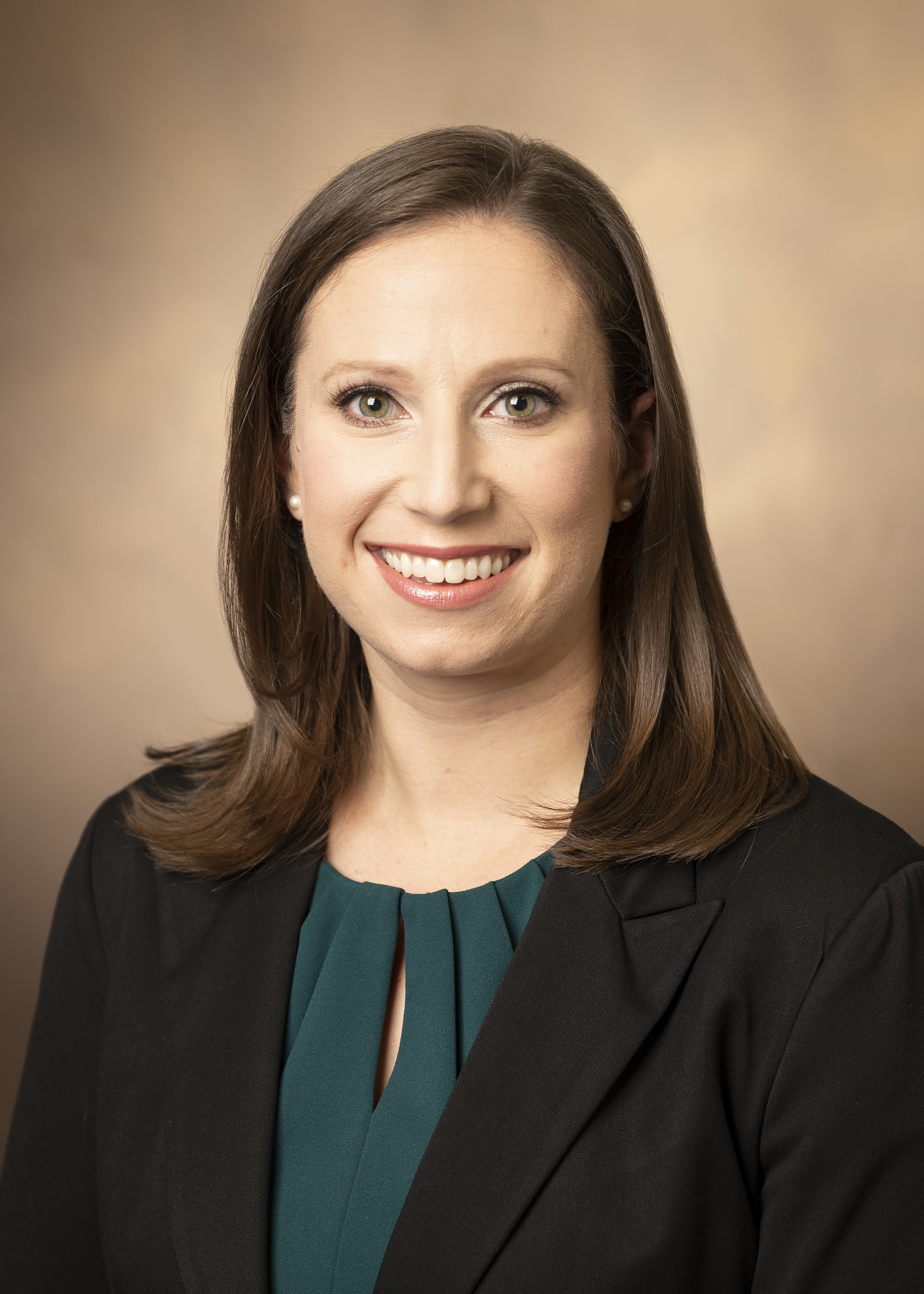
 | Our research uses neuroimaging and repetitive transcranial magnetic stimulation (rTMS) to understand and treat the brain circuit pathophysiology driving disorders of thinking, perception, communication, mood and emotion. rTMS is an FDA-approved treatment for depression, obsessive-compulsive disorder, and for smoking cessation. We use analyses of resting-state functional connectivity to study the brain networks that are affecting psychiatric disorders and identify relationships between brain and behavior. After identifying these brain-behavior relationships, we use rTMS to probe these relationships and establish causality - i.e., does rTMS-induced change in this circuitry lead to changes in behavior. Our research then aims to develop and test rTMS therapeutic interventions in clinical trials. Our particular areas of expertise are in substance use disorders and psychotic disorders, but our research methods are directly translatable to other psychiatric disorders and intellectual and developmental disabilities. |
Heather Burrell Ward, MD
Assistant Professor of Psychiatry and Behavioral Sciences
Director of Neuromodulation Research
Director, Vanderbilt Psychiatry Residency Research Track
Division of General Psychiatry
heather.b.ward@vumc.org
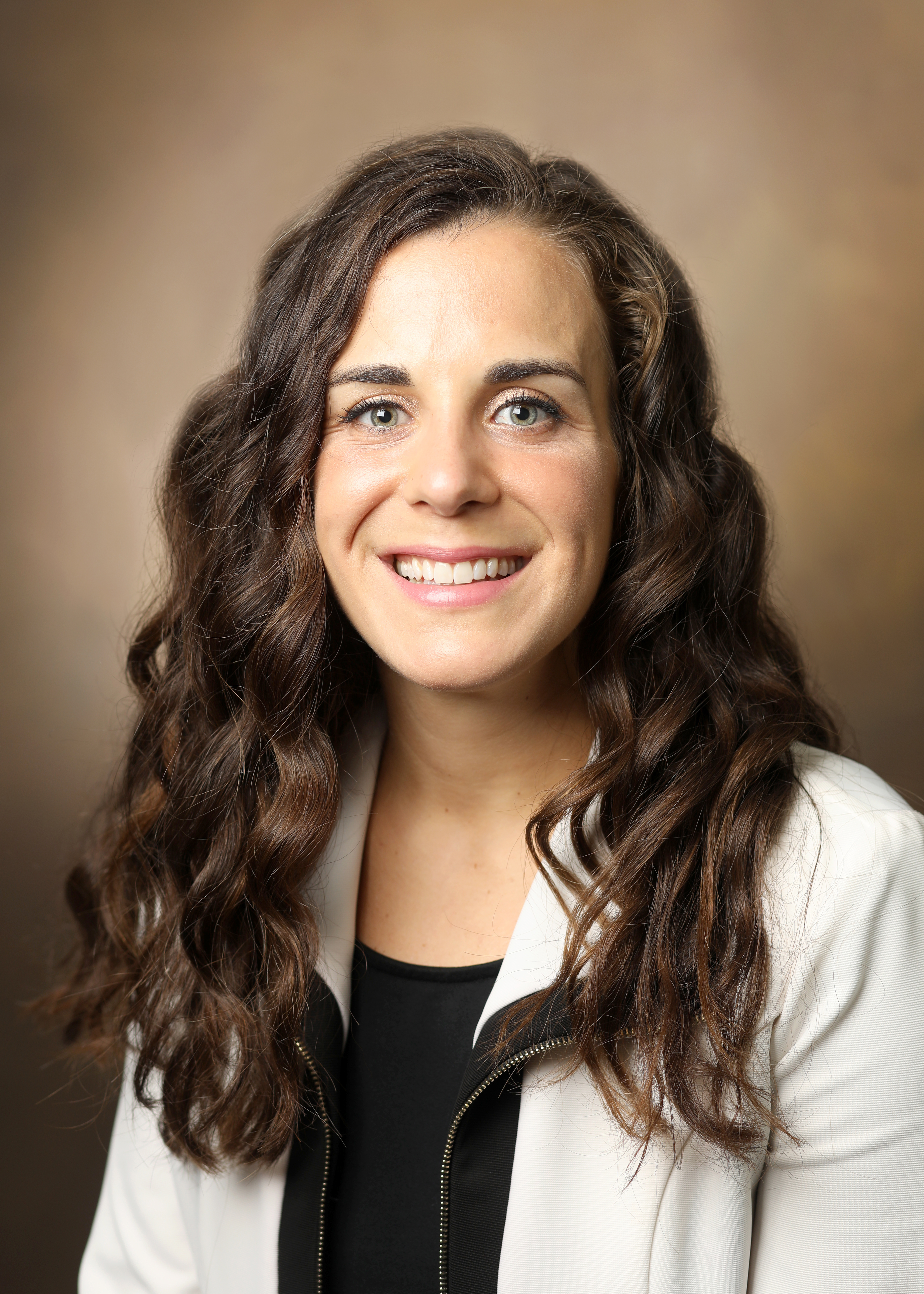 | Dr. Feola’s research program investigates how individuals respond to threat throughout development and across psychiatric disorders, including anxiety and psychotic disorders. The key questions that drive her research are how responses to threat change throughout development, predict risk for psychopathology, and differ in individuals with psychotic disorders Dr Feola’s research uses multiple methods to assess how the brain and body respond to threat including brain imaging (structure, activation, connectivity), psychophysiological measures (cortisol, heart rate, skin conductance), and behavior (clinician-rated and self-report measures). She is currently conducting a study to examine brain responses to threat in individuals with schizophrenia and how individual differences in threat responses relate to anxiety. Her ultimate research goals are to advance early identification of risk for psychopathology, improve psychological treatments that target maladaptive threat responses, and aid in the identification of novel treatment targets for psychiatric disorders. |
Brandee Feola, PhD;
Research Assistant Professor
Psychiatry and Behavioral Sciences
Division of General Psychiatry
brandee.feola@vumc.org
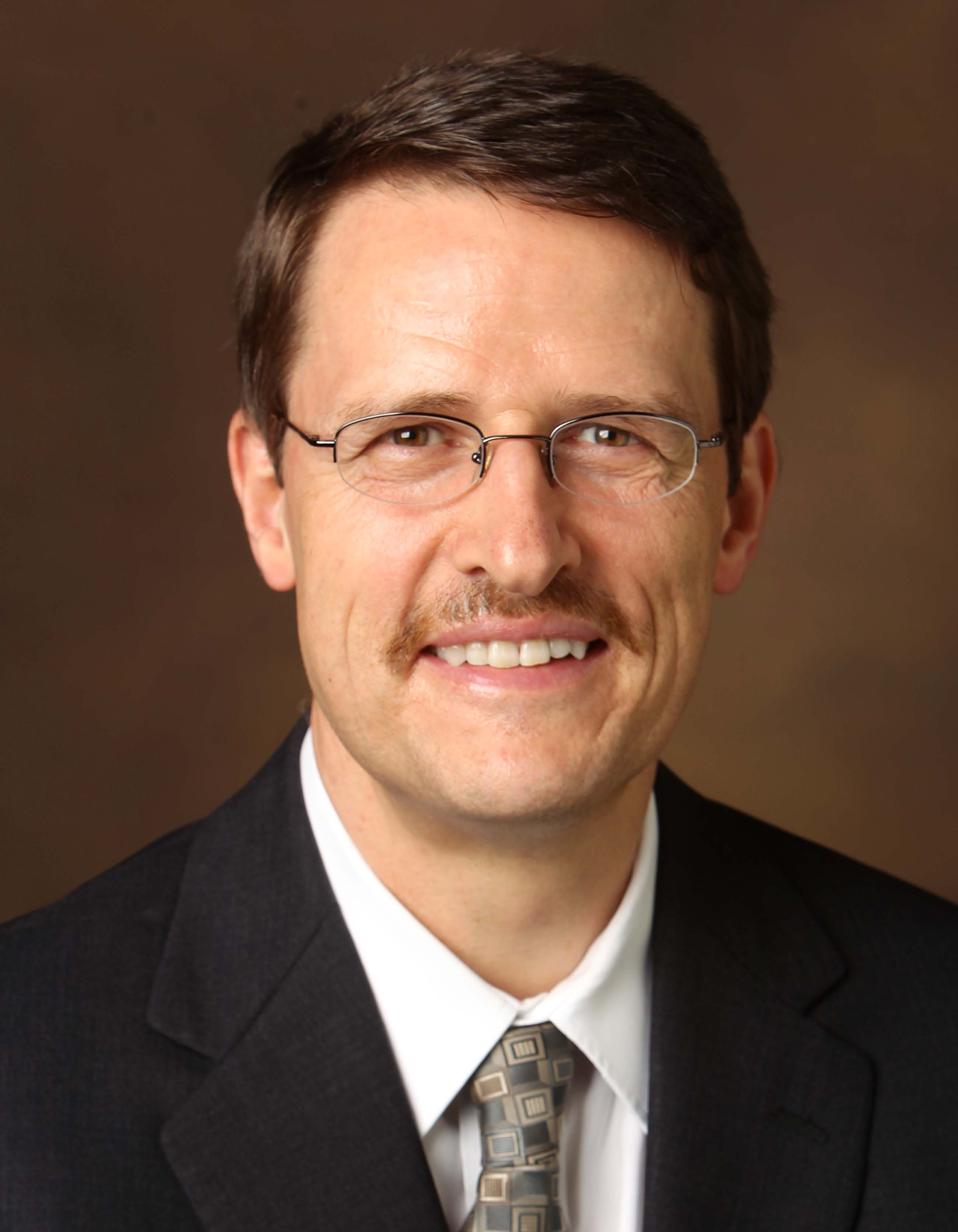 | Our Lab studies the neural basis of schizophrenia and bipolar disorder and has explored the mechanism of memory deficits in psychotic patients. Dr. Heckers has combined post-mortem studies (hippocampal neuron number and gene expression) with neuroimaging studies of hippocampal structure and function. In the context of these studies, the Heckers Lab has applied existing and developed novel experimental paradigms to explore hippocampal function. They are now conducting longitudinal studies investigating changes in hippocampal structure and function in the early stages of psychosis. |
Stephan Heckers, MD, MSc
William P. and Henry B. Test Professor & Department Chair
System Psychiatrist-in-Chief
stephan.heckers@vumc.org
Heckers Lab web link:
https://www.vumc.org/early-psychosis-program/
 | Dr. Skikic is involved in supporting the program’s research efforts in advancing our understanding of the neurobiology and medical workup of individuals who experience psychosis. Academically, she is active in the development and dissemination of neuroscience-focused educational materials at the institutional and national levels as well as advancing general psychiatry residency education. |
Maja Skikic, MD
Assistant Professor of Psychiatry and Behavioral Sciences
Director, General Psychiatry Residency Program
Division of General Psychiatry
maja.skikic@vumc.org
 | Our lab is an interdisciplinary group of physicians and scientists that study the prevalence, severity and diagnostic structure of catatonia and delirium across multiple medical settings, including the critical care and general medicine settings. Her current work includes a large prospective longitudinal cohort study (DeCat - Delirium and Catatonia Prospective Cohort Investigation), in which she is studying risk factors (including genetics), prevalence and clinical relevance of catatonia in the intensive care unit. |
Jo Ellen Wilson, MD, PhD, MPH
Associate Professor of Psychiatry and Behavioral Sciences
Director, Division of General Psychiatry
jo.e.wilson@vumc.org
https://www.icudelirium.org/cibs-center/overview