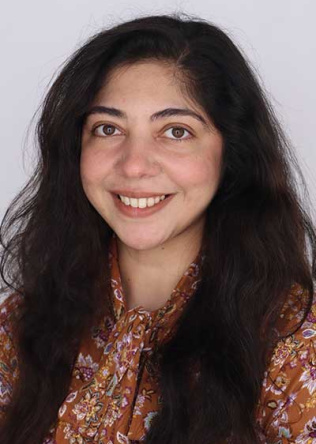
Sarah Haseen, DO
Sarah
Haseen
DO
Assistant Professor
General Neurology
Dr. Haseen’s professional interests focus on the diagnosis and management of neurologic disorders and the delivery of high-quality neurologic care in both inpatient and outpatient settings. Her academic interests include acute neurologic treatment pathways, clinical efficiency, and improving outcomes for patients with neurologic disease. Through clinical practice, education, and quality-focused initiatives, Dr. Haseen seeks to advance patient care and improve access to neurologic services.
Sarah Haseen, DO, is an Assistant Professor of Neurology at Vanderbilt University Medical Center. Dr. Haseen specializes in the care of patients with a broad range of neurologic conditions and is board-certified in Neurology by the American Board of Psychiatry and Neurology. She is a member of the American Academy of Neurology and has a strong interest in clinical neurology and patient-centered care.
Dr. Haseen has been recognized for her academic achievement and clinical excellence throughout her training. During medical school, she graduated in the top 15% of her class. While completing her neurology residency at the University of Toledo, she received multiple departmental awards, including recognition for achieving the fastest door-to-thrombolytic treatment times in consecutive years. She also received the American Academy of Neurology Resident Scholarship Award in 2024 and served as Chief Resident in the Department of Neurology.
Dr. Haseen earned a Bachelor of Arts in Molecular and Cellular Biology from Vanderbilt University and received her Doctor of Osteopathic Medicine degree from Lincoln Memorial University DeBusk College of Osteopathic Medicine. She completed her Neurology residency training at the University of Toledo, where she served as Chief Resident. Prior to medical school, she worked as a research assistant at Vanderbilt University and as a client services specialist with MyHealthDirect. Dr. Haseen joined the Vanderbilt faculty in 2024.
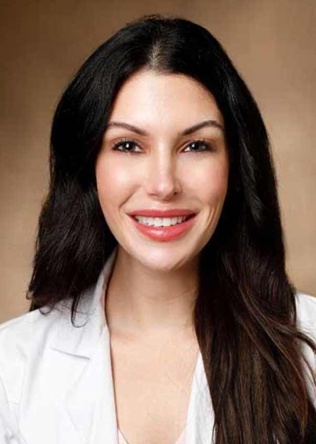
Amy Cooper, MSN, APRN, FNP-C, AGACNP-BC, RNFA
Amy
Cooper
MSN, APRN, FNP-C, AGACNP-BC, RNFA
Nurse Practitioner
Behavioral and Cognitive
Amy Cooper, MSN, APRN, FNP-C, AGACNP-BC, RNFA, is a dual board-certified Family Nurse Practitioner and Adult-Gerontology Acute Care Nurse Practitioner specializing in movement disorders, neurodegenerative diseases, and cognitive neurology. She practices within the Department of Neurology at Vanderbilt University Medical Center, where she provides comprehensive care for patients with Parkinson’s disease, Huntington’s disease, atypical parkinsonian disorders, autonomic dysfunction, and other complex neurologic conditions. With more than fifteen years of nursing and advanced practice experience, Ms. Cooper brings expertise spanning neurology, neurosurgery, internal medicine, infectious diseases, and acute care.
At Vanderbilt, Ms. Cooper plays a central role in both clinical care and research. She evaluates patients with movement and cognitive disorders, performs advanced neurologic assessments, orders and interprets diagnostic testing, and manages complex medication regimens. She is an active member of Vanderbilt’s multidisciplinary Huntington’s disease program, where she participates in genetic counseling discussions and specialized patient care. She also independently performs procedures including lumbar punctures and skin punch biopsies for both research and clinical purposes and developed Vanderbilt’s autonomic dysfunction clinic to improve patient access to specialized neurologic care.
Prior to joining Vanderbilt Neurology, Ms. Cooper practiced in neurosurgery, where she provided perioperative and postoperative care, conducted inpatient rounds, interpreted neuroimaging studies, and served as a surgical first assist. Her diverse healthcare background also includes experience in internal medicine, infectious diseases, HIV care, and aesthetic medicine. During the COVID-19 pandemic, she served in a leadership role within Vanderbilt Health OnCall, coordinating advanced practice providers and supporting community-based care initiatives.
Ms. Cooper earned her Master of Science in Nursing, Family Nurse Practitioner, from Maryville University and later completed a second master’s degree as an Adult-Gerontology Acute Care Nurse Practitioner. She also holds certification as a Registered Nurse First Assist. Beyond her clinical work, she serves on the Board of Directors for Mission MSA, an organization dedicated to supporting individuals affected by Multiple System Atrophy.Amy Cooper, MSN, APRN, FNP-C, AGACNP-BC, RNFA, is a dual board-certified Family Nurse Practitioner and Adult-Gerontology Acute Care Nurse Practitioner specializing in movement disorders, neurodegenerative diseases, and cognitive neurology. She practices within the Department of Neurology at Vanderbilt University Medical Center, where she provides comprehensive care for patients with Parkinson’s disease, Huntington’s disease, atypical parkinsonian disorders, autonomic dysfunction, and other complex neurologic conditions. With more than fifteen years of nursing and advanced practice experience, Ms. Cooper brings expertise spanning neurology, neurosurgery, internal medicine, infectious diseases, and acute care.
At Vanderbilt, Ms. Cooper plays a central role in both clinical care and research. She evaluates patients with movement and cognitive disorders, performs advanced neurologic assessments, orders and interprets diagnostic testing, and manages complex medication regimens. She is an active member of Vanderbilt’s multidisciplinary Huntington’s disease program, where she participates in genetic counseling discussions and specialized patient care. She also independently performs procedures including lumbar punctures and skin punch biopsies for both research and clinical purposes and developed Vanderbilt’s autonomic dysfunction clinic to improve patient access to specialized neurologic care.
Prior to joining Vanderbilt Neurology, Ms. Cooper practiced in neurosurgery, where she provided perioperative and postoperative care, conducted inpatient rounds, interpreted neuroimaging studies, and served as a surgical first assist. Her diverse healthcare background also includes experience in internal medicine, infectious diseases, HIV care, and aesthetic medicine. During the COVID-19 pandemic, she served in a leadership role within Vanderbilt Health OnCall, coordinating advanced practice providers and supporting community-based care initiatives.
Ms. Cooper earned her Master of Science in Nursing, Family Nurse Practitioner, from Maryville University and later completed a second master’s degree as an Adult-Gerontology Acute Care Nurse Practitioner. She also holds certification as a Registered Nurse First Assist. Beyond her clinical work, she serves on the Board of Directors for Mission MSA, an organization dedicated to supporting individuals affected by Multiple System Atrophy.
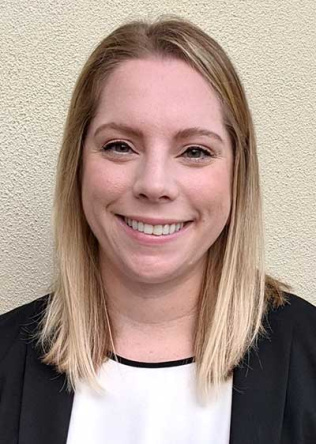
Stacia Slomin, MSN, APRN, FNP-C
Stacia
Slomin
MSN, APRN, FNP-C
Nurse Practitioner
General Neurology and Vascular
Stacia “Alexi” Slomin, MSN, APRN, FNP-C, is a Family Nurse Practitioner seeing patients in general neurology and stroke. She provides comprehensive care for adult patients with neurological conditions and has a strong commitment to patient education, preventive care, and evidence-based treatment. She is nationally certified as a Family Nurse Practitioner by the American Academy of Nurse Practitioners.
Ms. Slomin currently practices with Vanderbilt Neurology where she evaluates and manages a wide range of neurologic disorders. Her clinical responsibilities include diagnosing and treating conditions affecting adult patients, ordering and interpreting diagnostic studies, and collaborating with physicians to optimize patient care.
Prior to becoming a nurse practitioner, Ms. Slomin developed extensive nursing experience in pediatric medicine, pulmonology, neuroscience, epilepsy monitoring, trauma care, and postoperative surgical management. She worked at both Monroe Carell Jr. Children’s Hospital at Vanderbilt and Johns Hopkins All Children’s Hospital, caring for medically complex pediatric patients with a broad range of neurologic, pulmonary, and surgical conditions. She also served as a pediatric travel nurse, providing support to hospitals experiencing critical staffing needs across multiple healthcare settings.
Ms. Slomin earned a Master of Science in Nursing from the University of South Florida, graduating magna cum laude. Her graduate clinical training included family medicine, internal medicine, cardiology, dermatology, gynecology, and sports medicine. She also holds Bachelor of Science degrees in Nursing and Psychology from the University of North Florida and Florida State University, respectively. Throughout her career, she has been recognized for leadership, integrity, and clinical excellence and has served as a preceptor for nursing students and new healthcare professionals.
Chase Presley, PhD

Chase
Presley
PhD
Assistant Professor
Behavioral and Cognitive
Dr. Presley’s research focuses on clinical neuropsychology, cognitive assessment, neurodegenerative disease, and sports-related concussion. His work has examined cognitive and behavioral outcomes in Alzheimer’s disease, traumatic brain injury, and concussion, as well as the development of novel neuropsychological measures designed to improve the evaluation of cognitive function. He is particularly interested in language assessment, cognitive aging, and the use of neuropsychological testing to improve diagnosis and clinical care for patients with neurologic disorders. Through clinical research and interdisciplinary collaboration, Dr. Presley seeks to advance the understanding and assessment of cognitive health across the lifespan.
Chase R. Presley, PhD, is an Assistant Professor of Clinical Neurology at Vanderbilt University Medical Center specializing in clinical neuropsychology. Dr. Presley provides neuropsychological assessment for adults with a wide range of neurologic conditions, including neurodegenerative disorders, traumatic brain injury, sports-related concussion, and other disorders affecting cognition and behavior. He is licensed as a psychologist in Tennessee and has specialized training in neuropsychological evaluation and cognitive assessment.
Dr. Presley is actively involved in clinical research, education, and professional service. He is a member of the American Psychological Association, the National Academy of Neuropsychology, the Society for Clinical Neuropsychology, and the Sports Neuropsychology Society. He serves as an ad hoc reviewer for several neuropsychology and neurology journals and has contributed to research focused on concussion, Alzheimer’s disease, cognitive assessment, and neuropsychological test development. His scholarly work includes the development and validation of new cognitive assessment tools and investigations into factors influencing cognitive outcomes in neurologic disease.
Throughout his training and career, Dr. Presley has been actively involved in teaching and mentorship. He has served in multiple leadership roles within neuropsychology trainee organizations and previously taught graduate-level clinical methods courses in a doctoral psychology program. He continues to contribute to the education of students, trainees, and healthcare professionals in neuropsychology and cognitive neuroscience.
Dr. Presley earned a Bachelor of Arts in Psychology, cum laude, from Harding University and a Master of Science in Psychology from the University of Memphis. He received his PhD in Clinical Psychology from the University of Texas Southwestern Medical Center, where his doctoral work focused on neuropsychological assessment and language function. He completed a postdoctoral fellowship in Clinical Neuropsychology at the University of Iowa Hospitals & Clinics before joining the Vanderbilt faculty in 2024.
Claribel Wee, MD, MPH

Claribel
Wee
MD, MPH
Assistant Professor
Vascular
Dr. Wee’s research focuses on stroke prevention, acute stroke treatment, cerebrovascular disease, and neurocritical care. Through clinical research, quality improvement, and multidisciplinary collaboration, Dr. Wee seeks to improve outcomes for patients with stroke and other cerebrovascular disorders.
Claribel D. Wee, MD, MPH, is an Assistant Professor of Clinical Neurology at Vanderbilt University Medical Center with specialized expertise in vascular neurology and neurocritical care. Dr. Wee is board-certified in Neurology, Vascular Neurology, and Neurocritical Care and cares for patients with acute stroke, cerebrovascular disease, and critical neurologic illness. She also serves as Fellowship Director for the Vascular Neurology Fellowship at Vanderbilt and Stroke Director for the Tennessee Valley Healthcare System Veterans Affairs Medical Center.
Dr. Wee earned a Bachelor of Arts in Neuroscience from Johns Hopkins University and received her medical degree from Chicago Medical School. She completed an internship in Internal Medicine and Neurology residency at SUNY Upstate Medical University, followed by fellowship training in Neurocritical Care at UT Southwestern Medical Center and Vascular Neurology at SUNY Upstate Medical University. She also earned a Master of Public Health degree through Harvard T.H. Chan School of Public Health’s Program for Clinical Effectiveness.
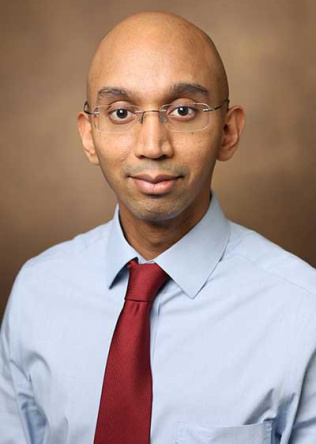
Himanshu Patel, MD
Himanshu
Patel
MD
Assistant Professor
Vascular
Dr. Himanshu Patel is a neurologist at Vanderbilt University Medical Center. As a neurohospitalist and stroke specialist, he cares for inpatients on both the neurology consult and stroke services. He is board-certified in Neurology and Vascular Neurology by the American Board of Psychiatry and Neurology.
Dr. Patel earned a Bachelor of Science in Molecular and Cell Biology and Biochemistry from Texas A&M University and received his medical degree from the University of Texas Medical Branch. He completed his Neurology residency at Houston Methodist Hospital, where he served as Chief Resident, followed by fellowship training in Vascular Neurology at the University of Maryland.
Mitchell Gigandet, MD

Mitchell
Gigandet
MD
Assistant Professor
Sleep
Dr. Gigandet’s academic interests focus on the diagnosis and management of sleep disorders, including obstructive sleep apnea, central sleep apnea, and sleep disturbances associated with neurologic disease. His scholarly work has explored clinical manifestations of sleep-related breathing disorders and factors that influence patient outcomes. Through clinical education, research, and patient care, Dr. Gigandet seeks to improve recognition and treatment of sleep disorders and their impact on overall health and quality of life.
Mitchell B. Gigandet, MD, is an Assistant Professor in the Sleep Division of the Department of Neurology at Vanderbilt University Medical Center. Dr. Gigandet specializes in sleep medicine and cares for patients with a wide range of sleep disorders, including obstructive sleep apnea, central sleep apnea, insomnia, and other conditions affecting sleep and wakefulness. He is board-certified in both Internal Medicine and Sleep Medicine and is a member of the American Academy of Sleep Medicine.
Dr. Gigandet is actively involved in medical education and serves as Co-Director of Sleep Continuing Medical Education (CME) at Vanderbilt Health. He has delivered lectures and presentations on a variety of sleep medicine topics, including obstructive sleep apnea, central sleep apnea, periodic limb movements of sleep, and insomnia. His scholarly work includes publications and presentations related to sleep medicine and general internal medicine.
Dr. Gigandet earned a Bachelor of Science in Biology from Bridgewater College and received his medical degree from the University of Kentucky College of Medicine. He completed an Internal Medicine residency at Atrium Health Wake Forest Baptist Medical Center, followed by fellowship training in Sleep Medicine at Duke University Hospital. Prior to his medical career, he served in the United States Marine Corps as an Infantry Squad Leader and Rifleman. Dr. Gigandet joined the Vanderbilt faculty in 2024.
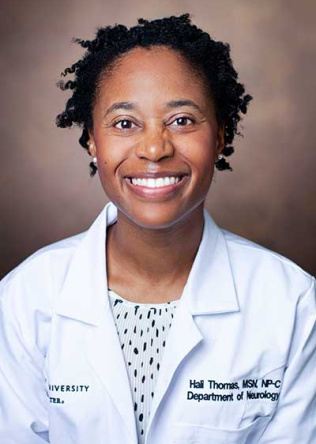
Hali Thomas, MSN, NP-C
Hali
Thomas
MSN, NP-C
Nurse Practitioner
General Neurology
Hali Thomas, MSN, NP-C, is a Nurse Practitioner with specialized experience in general neurology, cognitive neurology, sleep medicine, and autonomic disorders. Throughout her career, she has cared for patients with a wide range of neurologic conditions, including neurodegenerative diseases, cognitive disorders, sleep disorders, autonomic dysfunction, and general neurologic conditions. She is certified by the American Academy of Nurse Practitioners and has practiced in both academic and community-based neurology settings.
Ms. Thomas has held advanced practice roles within multiple neurology subspecialties. She previously practiced with Riverhills Neuroscience in Cincinnati, providing care in a general neurology setting, and with Sentara Neurology Specialists, where she worked in both Cognitive and Sleep Medicine and the Sentara Autonomic Center. Her clinical responsibilities have included patient evaluation, diagnosis, treatment planning, medication management, patient education, and coordination of multidisciplinary neurologic care.
Prior to becoming a nurse practitioner, Ms. Thomas worked as a registered nurse on a dedicated neurology and stroke unit, where she gained extensive experience caring for patients with acute neurologic conditions. Throughout her career, she has remained committed to education and mentorship, serving as a preceptor for nursing, medical, and high school STEM students interested in healthcare careers.
Ms. Thomas earned a Master of Science in Nursing from the University of Alabama at Birmingham, a Master of Science in Rural Community Health from the University of Alabama, and a Bachelor of Science in Biology from Alabama A&M University. She has maintained active involvement in professional nursing organizations, including the American Association of Nurse Practitioners.
Veronique Belzil, PhD, MS

Veronique
Belzil
PhD, MS
Associate Professor
Neuromuscular
Director
Vanderbilt ALS Research Center, Neuromuscular Division
Dr. Belzil is an Associate Professor of Neurology at Vanderbilt University Medical Center where she also serves as the Director of the Vanderbilt ALS Research Center. She obtained her bachelor's degree in psychology from McGill University in 2003 and her master's degree in psychology from Walden University in 2007. Continuing her academic journey, she pursued her Ph.D. in Neuroscience at the University of Montreal under the mentorship of Dr. Guy A. Rouleau, a renowned figure in human medical genetics and amyotrophic lateral sclerosis (ALS) research, graduating in 2012.
Following the completion of her doctoral studies, Dr. Belzil embarked on a postdoctoral research fellowship at the Mayo Clinic in Florida, under the guidance of Dr. Leonard Petrucelli, a leading expert in neurodegeneration. During this time, she initiated and spearheaded a translational research program aimed at developing patient-centered approaches for treating ALS and Alzheimer's disease-related dementias (ADRDs), notably frontotemporal dementia (FTD).
Dr. Belzil's laboratory is dedicated to utilizing human biospecimens to identify disease-specific variants, including genetic, epigenetic, and transcriptional changes. Through meticulous investigation, her team aims to unravel the intricate etiology, heterogeneous clinical manifestations, and multifaceted environmental interactions observed in patients with neurodegenerative diseases. By elucidating the underlying biological mechanisms and circuitry, they strive to uncover both static and dynamic biomarkers, as well as potential therapeutic targets.
Her research endeavors extend to the development of clinically relevant biomarker panels to facilitate early diagnosis, prognostication, patient stratification, and assessment of target engagement in clinical trials. Leveraging human-derived cell lines, her team also focuses on disease modeling and the innovation of novel therapeutic interventions. Emphasizing teamwork and multidisciplinary collaborations, Dr. Belzil's translational research program aims to expedite the translation of scientific discoveries from bench to bedside, ultimately advancing the field of neurodegeneration and improving patient outcomes.