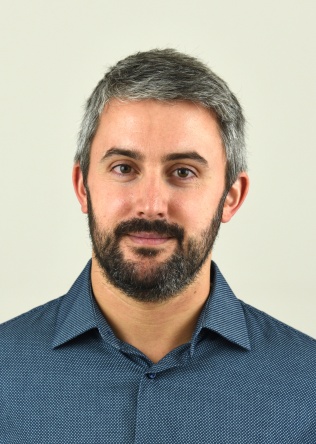
Ruben
Martinez
Barricarte, PhD
Assistant Professor of Medicine, Division of Genetics
Assistant Professor of Pathology, Microbiology and Immunology
Inborn errors of immunity (IEIs) are a heterogeneous group of monogenic diseases that cause impaired development or function of the immune system. Historically, IEIs were considered diseases that lead to susceptibility to severe infections. David Vetter (aka the bubble boy), the most mediatic case of these diseases, was born with an IEI that causes the absence of T and NK cells and, consequently, susceptibility to multiple severe infections. Interestingly, in the past few years, the clinical spectrum of patients with IEIs has expanded to encompass other clinical manifestations such as autoimmunity, allergy, autoinflammation, or cancer. Nowadays, there are about 500 known genetic causes of IEIs, and their study is instrumental in providing a genetic diagnosis for patients, counseling for families, and applying preventive treatments for individuals at risk. Furthermore, these patients, often “knockouts” of specific molecules, provide a unique opportunity to understand the mechanisms of human immunity without relying on artificial models. However, despite all the advances in the field, about half of the patients with a suspected IEI of immunity lack a genetic diagnosis, and in a sizeable fraction of patients with genetically diagnosed IEIs, the pathological molecular mechanisms of the mutations remain elusive. Furthermore, despite compelling evidence that a single gene mutation can cause severe infections by a specific pathogen, most infectious diseases have not been studied as IEIs. Through an international network of collaborators, our lab recruits and studies patients with IEIs of unknown genetic etiology, patients with genetically defined IEIs of unknown molecular mechanism, and patients with selective susceptibility to specific infectious agents. Using next-generation sequencing, we identify new genetic causes of IEIs. Furthermore, employing a multidisciplinary approach combining molecular biology, biochemistry, human immunology, computational biology, and multi-omics, we functionally characterize the mutations responsible for the diseases in our patients. Finally, our lab leverages the basic molecular, immunological and biological insights from studying these patients to develop new immunomodulatory approaches for common diseases like cancer.
Publications on 
ruben.m.barricarte@vumc.org
Human immunology, human genetics, infectious diseases, molecular biology, primary immunodeficiencies (PID), immunogenetics