VI4 Research Spotlight is where you can find the latest news and happenings at the Vanderbilt Institute for Infection, Immunology, and Inflammation.
Spotlight: Zhu Lab
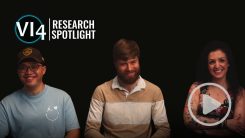
Luisella Spiga, PhDLuisella Spiga, PhD, is a Senior Scientist in the laboratory of Wenhan Zhu, PhD, in the Department of Pathology, Microbiology, and Immunology at Vanderbilt University Medical Center. Her research focuses on host-microbe interactions, intestinal inflammation, and microbial metabolism, with an emphasis on understanding how gut pathogens interact with the host and the microbiome to drive disease.
Spotlight: Yash Pershad & Alexander Bick, MD, PhD
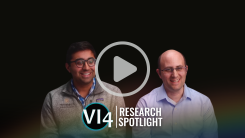
Yash Pershad is an MD–PhD student in the Human Genetics Graduate Program at Vanderbilt University and a trainee in the laboratory of Alexander G. Bick, MD, PhD. His research focuses on understanding how inherited genetic variation shapes the development of clonal hematopoiesis, a condition in which blood stem cells acquire mutations that allow certain clones to expand over time. In the study “Inherited resilience to clonal hematopoiesis by modifying stem cell RNA regulation,” Pershad contributed to research examining how germline genetic factors can influence stem cell RNA regulation and protect against the expansion of mutated blood cell clones. By integrating population genetics with single-cell transcriptomic approaches, his work helps uncover how inherited variation can modulate disease risk and resilience in aging blood systems.
Alexander Bick, MD, PhD, is Director of the Division of Genetic Medicine and Clinical Pharmacology in the Department of Medicine at Vanderbilt University Medical Center and a physician-scientist whose research focuses on the genetic basis of human disease. His laboratory studies clonal hematopoiesis, a condition that becomes increasingly common with age and is associated with elevated risk for blood cancers and cardiovascular disease. In the study “Inherited resilience to clonal hematopoiesis by modifying stem cell RNA regulation,” Dr. Bick and collaborators investigated how inherited genetic variants can alter stem cell RNA regulatory pathways to reduce the likelihood that mutated blood cell clones expand. By combining human genomics, population genetics, and functional studies, his work aims to identify the biological mechanisms that drive clonal hematopoiesis and to inform strategies for preventing or treating age-associated diseases linked to this condition.
Spotlight: Monica E. Brown
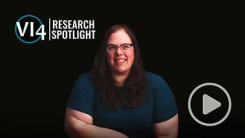
Monica E. Brown is a Ph.D. candidate in the Cell and Developmental Biology Graduate Program at Vanderbilt University and a trainee in the laboratory of Ken S. Lau, Ph.D. Her research focuses on understanding cellular plasticity and the mechanisms that drive cell-state transitions within the intestinal epithelium, with particular interest in how developmental programs shape specialized cell populations. In the study “Pancreatic islet β-cell subtypes are derived from biochemically-distinct and nutritionally-regulated islet progenitors,” Brown contributed to research examining how distinct islet progenitor populations give rise to functionally different β-cell subtypes and how those differences are influenced by maternal nutrition. By integrating in vivo models with single-cell and epigenetic approaches, her work helps uncover the regulatory logic that governs endocrine cell differentiation, function, and disease susceptibility.
Spotlight: Audrey Thomas, PhD
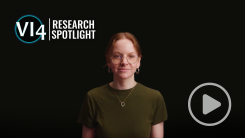
Audrey Thomas is a Microbiology and Immunology Postdoctoral Fellow in the laboratory of D. Borden Lacy, PhD, at Vanderbilt University Medical Center. Her research focuses on developing mucosal vaccines and therapeutics against Clostridioides difficile, with a broader interest in understanding T cell-mediated mucosal immunity and advancing vaccine strategies for difficult-to-target pathogens. In the study “Mucosal vaccination clears Clostridioides difficile colonization,” Thomas contributed to research exploring how targeted mucosal immune responses can eliminate persistent colonization by C. difficile. Her work integrates immunology, vaccine development, and structural biology approaches, including spectral flow cytometry and cryo-electron microscopy techniques, to better understand host-pathogen interactions and improve next-generation vaccine design.
Spotlight: Katy Bunn, PhD & Heather Pua, MD, PhD
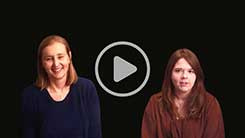
Katy Bunn, PhD, was a graduate student in the Department of Pathology, Microbiology, and Immunology in the Pua Lab at Vanderbilt University Medical Center at the time of this work. Her research focused on understanding how T helper 2 (Th2) cell–derived extracellular vesicles regulate allergic inflammation. Specifically, her work examined how cytokine cargo on the surface of extracellular vesicles, including IL-3, promotes eosinophil survival in both in vitro systems and in vivo mouse models of asthma. Through this research, Dr. Bunn contributed to uncovering new mechanisms of immune cell communication that may help explain persistent inflammation in patients whose asthma is not fully controlled by existing therapies.
Heather Pua, MD, PhD, is an Assistant Professor in the Department of Pathology, Microbiology, and Immunology whose laboratory studies how extracellular vesicles and extracellular RNAs regulate chronic tissue inflammation. Her research focuses on diseases with long-term impact and limited treatment options, such as asthma. By combining mechanistic studies of immune cell–derived extracellular vesicles with translational disease models, Dr. Pua’s work aims to identify alternative inflammatory pathways that may contribute to disease persistence and therapeutic resistance. Her lab’s findings seek to expand current treatment paradigms and improve outcomes for patients with chronic inflammatory diseases.
Spotlight: Sarah Worthan, PhD & Megan Behringer, PhD

Hi. My name is Sarah Worthan and I'm a postdoc in Megan Beringer's lab in the Department of Biological Sciences.
Spotlight: Julie Bastarache, MD & Brandon Baer, PhD

Dr. Bastarache is a physician-scientist with a mechanistic and translational research program in acute and chronic lung diseases including acute respiratory distress syndrome (ARDS) and bronchiectasis. She also has an interest in non-pulmonary organ dysfunction during sepsis and studies delirium and acute kidney injury in experimental models. Her diverse research approach uses a combination of cell, mouse and human models of lung injury and repair to define the fundamental cellular and molecular mechanisms that regulate organ injury including ARDS, delirium and acute kidney injury as well large clinical and genetic datasets to generate insights into individual variability in risk and outcomes from ARDS. She also has an interest in leveraging the EMR and novel phenotyping methods to identify and study subjects with underlying genetic causes of chronic lung diseases such as bronchiectasis with the goal of developing tools to help clinicians achieve a timely and accurate diagnosis.
Brandon Baer, PhD, is Postdoctoral Research Fellow in the Division of Allergy, Pulmonary and Critical Care Medicine at Vanderbilt University Medical Center.
He is responsible for designing and executing research initiatives to assess novel therapeutics for respiratory disease. Over his career, he has initiated and led strategic approaches with both academic and biotech partners to enhance the efficacy as well as delivery of intrapulmonary therapeutics (mainly for the treatment of inflammation and infection). Passionate about improving the current treatment paradigms for respiratory disease, he thrives in collaborative environments that empower diverse teams of inter-disciplinary scientists to tackle scientific challenges.
Spotlight: Jennifer Shuman, PhD
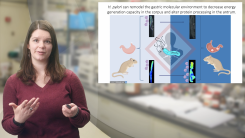
Jennifer Shuman, PhD is a postdoctoral fellow in the Tim Cover lab in the department of Medicine and department of Pathology, Microbiology and Immunology. Jennifer received her BS in Genetics and in Microbiology from Clemson University in May 2018, where she worked with Dr. Ingram-Smith on Entamoeba histolytica metabolism. She graduated from the Interdisciplinary Graduate Program at Vanderbilt in the Spring of 2024 and is currently a postdoc in Dr. Tim Cover's lab. Her research interests include how Helicobacter pylori adapts to mixed infections and different environmental conditions. Outside of the lab, Jennifer likes to read, eat, and explore Nashville with her family.
Spotlight: Caitlin Murdoch, Ph.D.
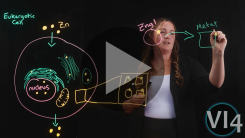
Caitlin Murdoch Ph.D. is a postdoctoral fellow in the Eric Skaar lab in the department of Pathology, Microbiology and Immunology.
Caitlin grew up on Merritt Island, a barrier island on Florida’s Space Coast. After receiving her B.S. in Microbiology from the University of Florida, she moved to Durham, NC to pursue graduate studies at Duke University. There, she earned her PhD in Molecular Genetics and Microbiology in the lab of Dr. John Rawls. For her dissertation, she used zebrafish to study mechanisms by which the microbiota shape the development of the innate immune system. In the Skaar lab, Caitlin continues to use gnotobiotic zebrafish as a model to investigate the impact of metals on shaping inter-bacterial interactions in the intestine.....Click the image on the left to continue reading.
Spotlight: Jane Ferguson, PhD
Jane Ferguson PhD is an Associate Professor of Medicine in the Division of Cardiovascular Medicine and an Associate Director of the Vanderbilt Microbiome Innovation Center.
Dr. Ferguson completed a BA in Human Genetics at Trinity College Dublin, and a PhD in Nutrigenomics at University College Dublin, Ireland, before moving to Philadelphia for postdoctoral training in Cardiovascular Genomics at the University of Pennsylvania. Dr. Ferguson moved to Nashville to join the faculty at Vanderbilt in October 2014.....Click the image on the left to continue reading.