VI4 Home
Our Mission: To train the next generation of scientists and physicians and make fundamental discoveries in the areas of infection biology, immunology, and inflammation with the goal of increasing knowledge and improving human health.
Our Mission: To train the next generation of scientists and physicians and make fundamental discoveries in the areas of infection biology, immunology, and inflammation with the goal of increasing knowledge and improving human health.
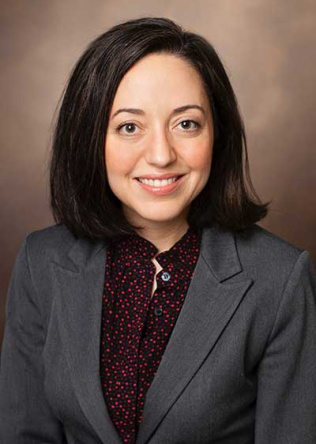
Dr. Mashayekhi leads a translational research group within the Division of Diabetes, Endocrinology and Metabolism in the Department of Medicine. She uses mechanistic hypothesis-driven clinical studies to understand the basic physiology of obesity-associated inflammation and the impact of this inflammation on cardiovascular diseases.
Her current work centers on determining the immunologic effects of diabetes medications including SGLT2 inhibitors and GLP-1 receptor agonists, with the goal of uncovering how these treatments reduce inflammation and improve cardiovascular and metabolic health.
By studying immune cell function in clinical samples—including adipose tissue and peripheral blood—the group aims to reveal new mechanisms through which these therapies confer benefits beyond glucose control and weight loss.

Obesity-associated inflammation; cardiometabolic diseases; translational mechanistic human studies
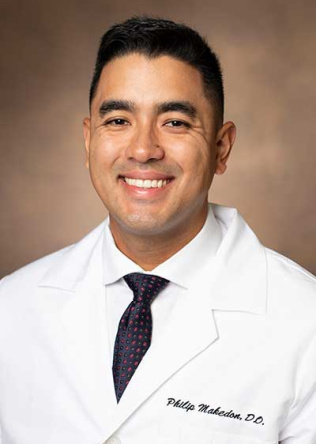
Hometown: Homewood, IL
Undergraduate: Arellano University
Graduate: University of Illinois Urbana-Champaign
Medical School: University of the Incarnate Word School of Osteopathic Medicine
Sub-Specialty Interest: Transfusion medicine and hematopathology
Why did you choose VUMC Pathology: It's easy to create a giant spreadsheet comparing programs based on objective factors. I definitely did that. Vanderbilt checked all the boxes I was looking for: an NCI-designated cancer center, a renowned children's hospital, excellent CP training with the Diagnostic Management Team (DMT), and a centralized medical campus complemented by the new PMI core laboratory with state-of-the-art facilities. On top of that, Nashville offered an exciting city with plenty to do, all set in the beautiful state of Tennessee. But what ultimately made Vanderbilt my top choice was the people. Everyone I met on interview day was welcoming, kind, and genuinely supportive, and I knew it was a place where I would receive excellent training while feeling at home.
Fun fact about yourself: I have been kitesurfing since 2011, first learning in the Philippines and have kitesurfed in Florida, California, and Greece. I enjoy golf (handicap 14, but gets higher every round), hiking (recently Big Bend Nat'l Park), Muay Thai, snowboarding, walking with my dog, and relaxing with my cat and fiancée. Lastly, I’m a big Chicago Bears fan - Go Bears!
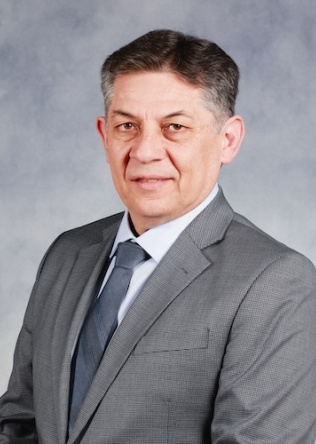
The major interest of my laboratory includes the characterization of the pathogenic mechanisms of B. mallei and B. pseudomallei with the goal of producing suitable vaccines and therapeutics. My laboratory is also interested in the elucidation of the mechanisms used by pathogenic E. coli to adhere to and colonize the intestinal epithelia and characterize regulatory networks controlling their expression.
Bacterial pathogenesis, vaccines, virulence factors, bacterial regulation