Spotlight: Sarah Worthan, PhD & Megan Behringer, PhD

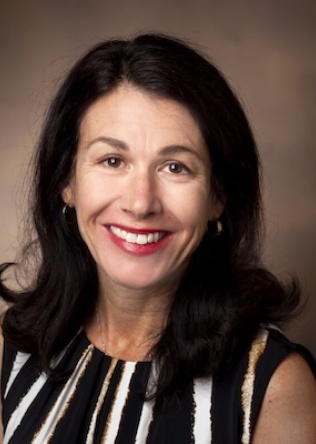
Hi. My name is Sarah Worthan and I'm a postdoc in Megan Beringer's lab in the Department of Biological Sciences.
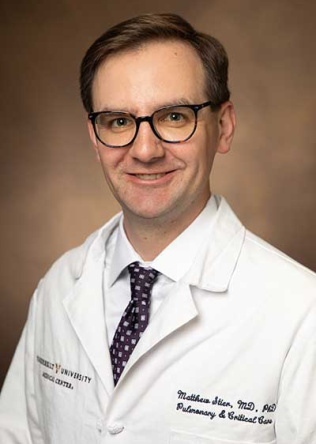
Research Summary:
The Stier lab focuses on defining mechanisms of immune dysfunction in human critical illness, including sepsis and acute respiratory distress syndrome. Using primary biospecimens from ICU patients, the lab integrates high-dimensional cytometry, perturbation studies, metabolic flux analysis, and single-cell transcriptomics to understand how immune cells fail or adapt during severe illness. A central theme is the dynamic nature of immune responses in critical illness, with particular attention to how metabolic stress shapes adaptive versus maladaptive trajectories as patients progress toward recovery, persistent organ failure, or death. In parallel, the lab pursues methods development to expand the scope of mechanistic investigation that can be performed directly in humans. The overarching goal is to leverage these mechanistic insights to identify and prioritize therapeutic targets with the intent of restoring effective immunity in ICU patients.
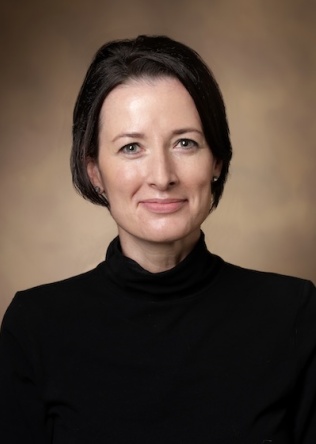
Originally from Portland, Oregon, Nichole earned a B.S. and M.S. from University of Nevada, Reno. She supports laboratory and the VI4 operations.
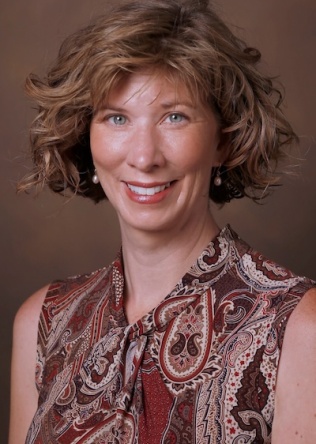
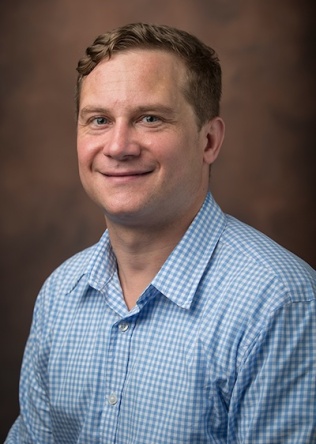
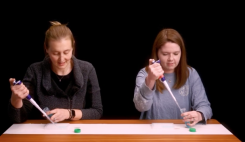
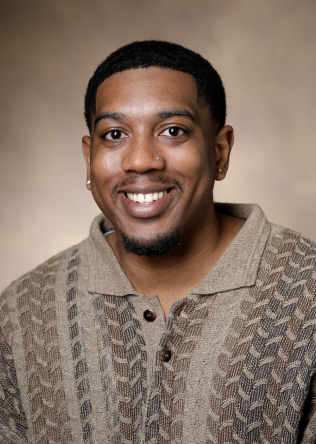
Fredrick Haywood is the Social Media and Communications Project Manager for the Vanderbilt Institute for Infection, Immunology & Inflammation (VI4) and the Department of Pathology, Microbiology, and Immunology. In this role, he manages The Studio and the VI4/PMI social media accounts, focusing on content creation, email marketing, graphic design, website maintenance and mentoring the VI4 Science Communication Internship.