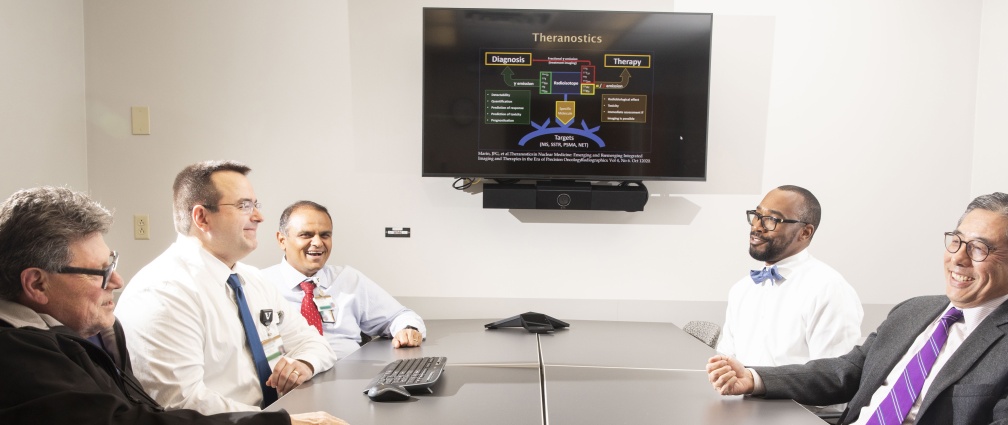

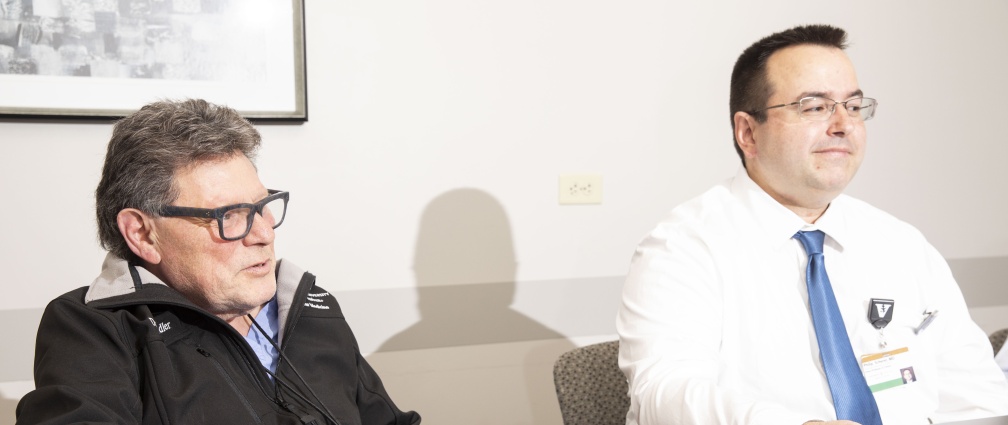


Faculty in the Nuclear Medicine and PET/CT section are board certified in nuclear medicine with most of them being dual certified in internal medicine, pathology, or diagnostic radiology. Nuclear Medicine clinical faculty are leaders in their field with extensive publications in multiple areas including, but not limited to, PET and PET/CT and SPECT and SPECT/CT in the evaluation of neurologic, cardiovascular and oncologic disorders. Numerous research programs are ongoing in the section, as well as in collaboration with other divisions in the Department of Radiology and the Vanderbilt University Institute of Imaging Science.
The facilities at Vanderbilt University Medical Center (VUMC) and Monroe Carell Jr. Children's Hospital at Vanderbilt include comprehensive general nuclear medicine and PET/CT equipment. There is also a well-equipped radiopharmacy and in-vitro laboratory, a PET/CT radiopharmacy and radiochemistry laboratory. The affiliated Veterans Administration Medical Center is located on the Medical Center campus, adjacent to VUMC, and provides full nuclear medicine and PET/CT services.
The Nuclear Medicine and PET/CT clinical service is supported by a well trained staff of technologists certified by the Nuclear Medicine Technologist Certification Board. Radiology nursing staff also rotate through the section to assist with administration of medications.
The Department of Radiology offers Nuclear Medicine Residency and Nuclear Radiology Fellowship programs. Department of Radiology faculty and technologists also provide instruction and support for the Medical Center's Nuclear Medicine Technology Program in the Center for Programs in Allied Health. There are multiple dedicated nuclear medicine clinical conferences each month, as well as numerous collaborative clinical and research conferences that are complemented by an extensive nuclear medicine library.
Vanderbilt Health is at the forefront of radiopharmaceutical theranostics, using diagnostic nuclear medicine PET/CT and SPECT/CT imaging as a guide for radioisotope therapy. Our theranostics program includes a cooperative multidisciplinary and personalized approach to cancer care involving nuclear medicine physicians, interventional radiologists, medical oncologists, radiopharmacists, nuclear medicine technologists, radiation safety team members, radiochemists, nurses, and other support staff. Diagnostic imaging facilities at the main campus include 2 GE MI Discovery PET CT scanners and 3 GE SPECT CT scanners. In addition, the Vanderbilt University Institute of Imaging Science (VUIIS) has a Philips Vereos PET CT scanner dedicated to research and clinical trials. Oncology PET radiopharmaceuticals in clinical use at Vanderbilt include F-18 FDG, F-18 PSMA and F-18 Fluciclovine (prostate cancer), Ga-68 DOTATATE and Cu-64 DOTATATE (neuroendocrine tumors and somatostatin receptor expressing tumors), and F-18 FES (breast cancer). Radiopharmaceutical therapy facilities include treatment rooms in Nuclear Medicine, Interventional Radiology, The Vanderbilt Clinic, Vanderbilt Ingram Cancer Center, and Vanderbilt Children’s Hospital. Current FDA approved therapeutic agents used at Vanderbilt Health include Lu-177 PSMA for prostate cancer, Lu-177 DOTATATE for neuroendocrine tumor, Ra-223 dichloride for cancer metastatic to bone, Y-90 microspheres for liver cancer, low dose I-131 for hyperthyroidism, and high dose I-131 for thyroid cancer. Vanderbilt Health is also the only site in Tennessee using I-131 MIBG for refractory neuroblastoma and pheochromocytoma/paraganglioma approved for expanded clinical access through the FDA. Vanderbilt Health and Vanderbilt Ingram Cancer Center are involved in multiple oncology clinical trials using investigational agents labeled with numerous diagnostic and therapeutic radiopharmaceuticals. While primarily focused on applications of nuclear medicine for cancer care, new theranostic trials are also in startup at Vanderbilt Health involving heart and neurologic disease.
Nuclear Medicine and PET/CT Section Chief
-
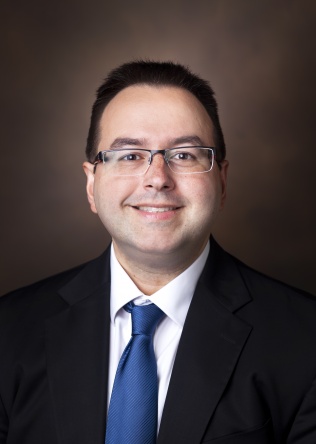
Philip M Scherer, M.D.
Section ChiefNuclear MedicineDirectorNuclear Medicine and Positron Emission TomographyMedical Director of Nuclear MedicineCommunity RadiologyAssociate ProfessorClinical Radiology & Radiological SciencesProgram DirectorNuclear Medicine Residency & Fellowship Programs
Nuclear Medicine and PET/CT Faculty
-

Marques L. Bradshaw, M.D.
ProfessorRadiology & Radiological SciencesVice Chair of Community OutreachRadiology & Radiological Sciences -

Heather Cole, M.D.
Assistant ProfessorRadiology & Radiological SciencesAssociate Program DirectorNuclear Medicine Residency & Fellowship Programs -

Joseph Hoang, M.D.
Assistant ProfessorRadiology & Radiological Sciences -

Geming Li, MD, MS
Associate ProfessorRadiology & Radiological Sciences -

Martin P. Sandler, M.B.Ch.B
ProfessorRadiology & Radiological SciencesProfessorMedicine -

Chirayu F. Shah, M.D.
Associate Professor of ClinicalRadiology & Radiological Sciences -

Gary T. Smith, M.D.
ProfessorRadiology & Radiological Sciences -

Guiyun Wu, M.D.
Associate ProfessorRadiology & Radiological Sciences
Research Faculty Support
-
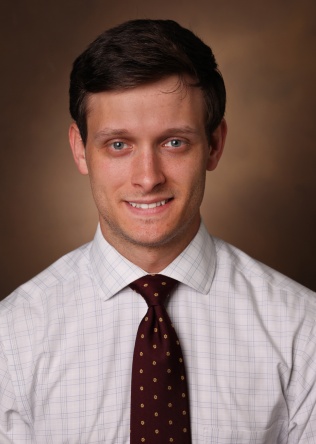
Jared V. Grice, D.M.P.
Associate ProfessorClinical Radiology & Radiological Sciences -

Todd E. Peterson, Ph.D.
ProfessorRadiology & Radiological Sciences