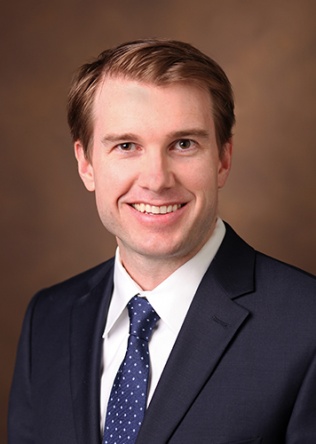
Michael
C.
Dewan
MD, MSCI
Associate Vice Chair of Global Surgery, Vanderbilt University Medical Center
Assistant Professor Department of Neurological Surgery
Assistant Professor Department of Pediatrics, Hematology & Oncology
Global Neurosurgery Program
Pediatric Neuro-Oncology Program
Pediatric Neuro-Vascular Program
 Michael Dewan MD, MSCI is an Assistant Professor in the Department of Neurological Surgery, Division of Pediatric Neurosurgery at the Monroe Carell Jr. Children’s Hospital at Vanderbilt (MCJCHV) and the Vanderbilt University Medical Center (VUMC). He is the Surgical Director of the Pediatric Neuro-Oncology Program, the Pediatric Neuro-Vascular Program, and the Academic Director of the Global Neurosurgery Program.
In 2016, he co-founded the Global Neurosurgery Initiative within the Global Surgery and Social Change Program at Harvard Medical School, now a leading center for international neurosurgical collaboration, advocacy, and scientific progress. He has developed surgical educational modules for neurosurgeons in low- and middle-income countries (LMICs), which are now being used in more than a dozen countries in Asia and Sub-Saharan Africa. His expertise in treating childhood brain tumors and neurovascular disorders has informed ongoing and completed multicenter clinical studies. His extensive experience in the endoscopic management of hydrocephalus and the treatment of congenital neurologic defects and his development of a research platform to improve outcomes have fueled an international consortium of centers addressing these conditions in LMICs.
Dr. Dewan maintains active research and capacity-building collaborations with partners in more than a dozen countries throughout Sub-Saharan Africa and Southeast Asia. He has mentored numerous medical students and residents in funded research initiatives, successfully culminating in publications and trainee advancement.
Education
BS, University of Notre Dame
MD, Yale Medical School
MSCI, Vanderbilt University
Training
Resident, Neurological Surgery, Vanderbilt University Medical School
Fellow, Global Health and Social Medicine, Harvard Medical School
Chief Fellow, Pediatric Neurosurgery, University of Toronto
michael.dewan@vumc.org
Global Health Research Interests: Epidemiology, Neurological Surgery
Countries: Australia, Brazil, Canada, Croatia, Egypt, Ethiopia, Ghana, Israel, Japan, Jordan, Kenya, Nigeria, Pakistan, Philippines (the), South Africa, Spain, Switzerland, Tanzania, United Republic of, Zambia
Dewan