Parker Joseph Jamieson
Parker
Jamieson
Graduate Student
Microbe-Host Interactions Graduate Program
Ivelin Georgiev Lab
parker.j.jamieson@vanderbilt.edu
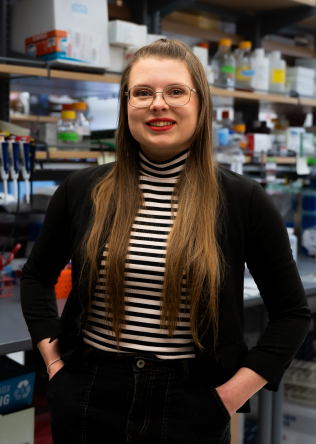
I am from Greenwood, Indiana and earned my B.S. in Biochemistry at Indiana University in 2020. While at IU, I spent 4 years studying Wolbachia pipientis under Dr. Irene Newton. I joined IGP in 2020 and joined the lab of Dr. Timothy Cover in 2021. When not in lab, I enjoy cooking, rock climbing, and solving crossword puzzles.
Awards and Honors:
Goldwater Scholar, 2019
NSF GRFP Honorable Mention, 2020
I research how CagA, a bacterial oncoprotein made by Helicobacter pylori, is recruited and then secreted into host cells. I am also interested in studying genetic diversity of H. pylori and how it affects the activity of the Cag type IV secretion system.
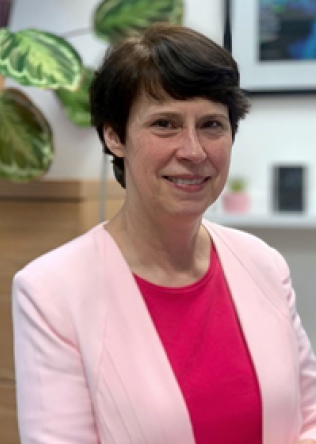
My lab is interested in understanding the mechanisms by which normal and malignant cells regulate programmed cell death. Multicellular organisms have devised a tightly regulated, genetically programmed mechanism of cell suicide to maintain homeostasis and to prevent propagation of genetically damaged cells. The discovery of the BCL-2 family of genes uncovered the underlying genetic mechanism of this regulation, as well as a class of oncogenes that governs cell death rather than cell proliferation.
There are two major pathways that regulation programmed cell death: apoptosis and programmed necrosis. Simply, apoptotic cells implode in a relatively immune silent manner. Necrotic cells explode, releasing cellular contents and inciting an immune response- beneficial in settings of infection, but detrimental in settings of chronic damage, where the inflammation eliicited by necrotic cell death amplifies cellular damage. Current studies focus on how programmed cell death regulates homeostasis in the hematopoietic (blood) system. We have found that unrestrained programmed necrosis leads to bone marrow failure in mice that closely resembles the human disease Myelodysplastic syndrome (MDS).
The projects in my lab use hematopoietic cell culture systems, mouse models, immunofluorescence, electron microscopy, as well as flow cytometry and cell death assays to understand the signals and protein interactions that direct hematopoietic cells to die by apoptosis or necrosis. In addition, we use our mouse models to determine the effects of inhibiting necrosis on bone marrow failure and transformation to leukemia. An additional focus is to dissect the mechanism of Bcl-2 family members in mouse models of leukemia. Our studies provide new insights into the interplay between apoptosis and necrosis, and their role in hematopoiesis, bone marrow failure, and leukemogenesis.

Mechanisms by which normal and malignant cells regulate programed cell death or apoptosis following DNA damage
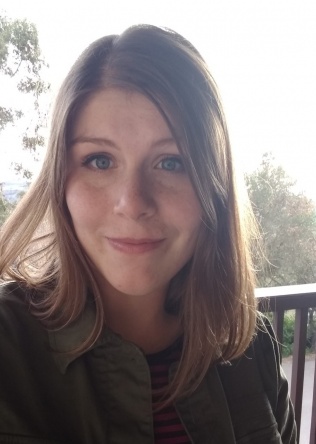
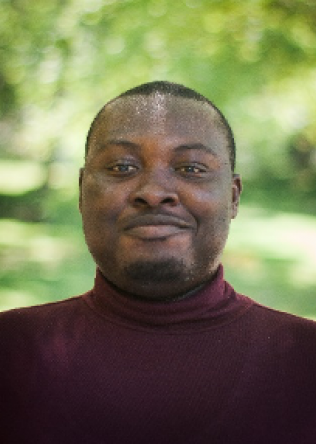

Originally from Portland, OR, I graduated with a BA in Biophysics from Scripps College in 2016. I then spent two post-bac years as an NIH UGSP scholar in the lab of Dr. Michael Otto. I matriculated into the Vanderbilt MSTP in 2018 and joined the MPI graduate program in 2020. Outside of lab I enjoy volunteering at Shade Tree, the student-run free clinic, making and drinking caffeinated beverages, and spending time with my cat and two dogs.
In the Rathmell lab I study immunometabolism in the context of anti-tumor immunotherapy. Specifically, I am investigating metabolic programs that may be targeted to enhance CD8+ T cell function in the tumor microenvironment.


I am originally from South Texas (Houston and San Antonio areas). I pursued my undergrad in Microbiology and Molecular Genetics from Oklahoma State University and graduated in May of 2018. I worked the following year in the lab of Tim Cover as an RA, and joined the IGP program in Fall of 2019.
During my thesis studies, I am looking forward to exploring the antagonistic link between two secreted Helicobacter pylori virulence factors, CagA and VacA, and the way that they are able to manipulate host cell functions, such as metabolism and mounting immune responses.
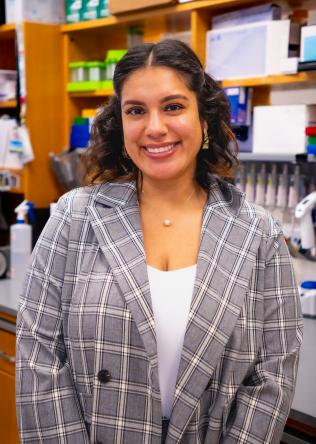
I am a California native, shaped by my time spent in the San Francisco Bay Area. I earned a BS in Microbiology and a BA in Chicanx Studies from the University of California at Davis in 2017 where I discovered my love for microbes and have not looked back since.
The gastrointestinal tract is host to a dense microbial community, known as the gut microbiota, which is dominated by bacteria belonging to the phyla Bacteroidetes (class Bacteroidia) and Firmicutes (class Clostridia). Disruption of the delicate balance between the 'good' and 'bad' bacteria of the gut microbiota (dysbiosis) has been linked to various non-communicable diseases, including inflammatory bowel disease (IBD). My graduate research focuses on understanding how early life exposure to detrimental factors can affect the gut microbiota and increases predisposition for the development of intestinal disease later on in life.