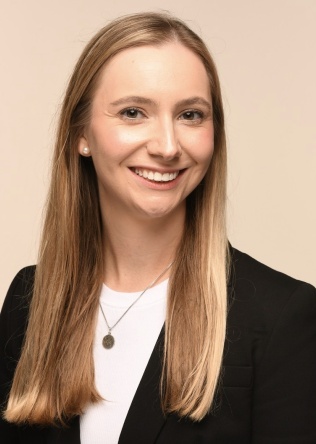
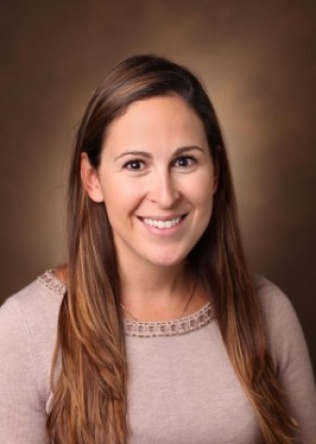
Megan Lancaster, MD, PhD
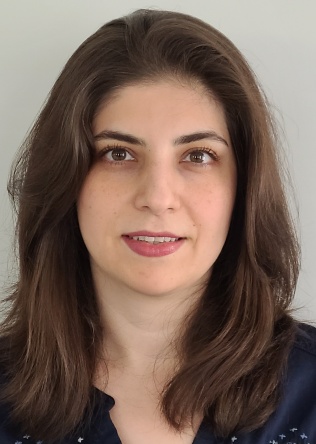
I am interested in using polygenic methods to improve clinical classification and treatment strategies. For example, the risk of developing type 2 diabetes and many other common diseases, is influenced by polygenic risk, which is the cumulative, small effects of many common gene variants. A number of studies have also suggested that variability in polygenic disease risk also affects variability in response to drug therapy for common disease.
Polygenic risk can be quantified for an individual using polygenic risk scores (PRS). Recent studies in coronary artery disease and drug-induced long QT syndrome have shown the PRS developed for a disease or phenotype are also able to predict response to drugs in treatment of that disease. We plan to apply that idea to treatment of type 2 diabetes. If there is an interaction between polygenic risk and treatment response, this may identify patients who will benefit more or less from specific treatments, and inform clinical practice.
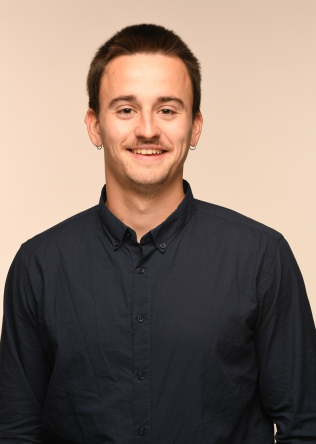
Uday Suresh, MS
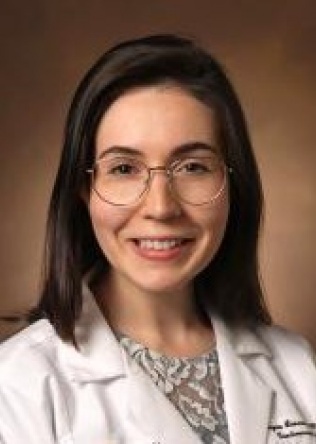
Uday Suresh, MS, is a PhD candidate advised by Jessica Ancker, PhD, MPH. He received a BS in Bioengineering from the University of California, Berkeley. Uday received an MS in Biomedical Informatics from Vanderbilt. Before graduate school, he worked in healthcare technology startups.
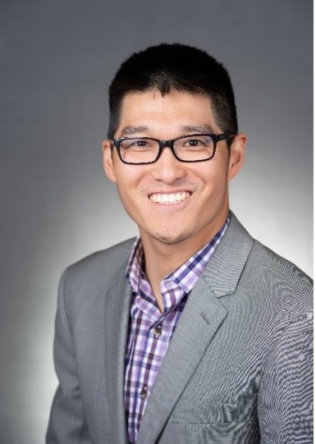
Hannah Slater, MS
Hannah Slater, MS, is currently pursuing a PhD in Biomedical Informatics at Vanderbilt University and is funded by the National Library of Medicine. She received a dual Bachelor of Science in Chemical Engineering and Chemistry from the University of Alabama and a Master’s of Science in Biomedical Informatics from Vanderbilt University. Her current research interests are characterization, identification, and prevention of suicide and adverse events.
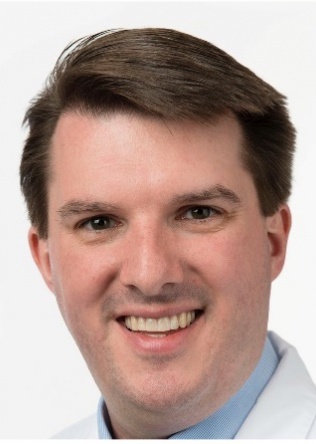
Monika Grabowska
Fall 2021, MD-PhD Candidate Class of 2026
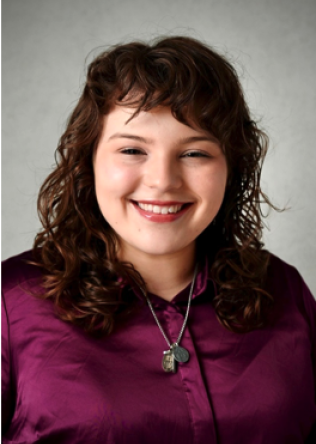
Monika Grabowska received her B.S. in Biomedical Engineering with a minor in Computer Science from the University of Virginia in May 2019. Monika is in the Vanderbilt Medical Scientist Training Program (MSTP), pursuing dual MD and PhD degrees. She is a graduate student in Wei-Qi Wei's lab, with research interests in computational drug repurposing, high-throughput phenotyping, and precision medicine.
Victor Borza, MS
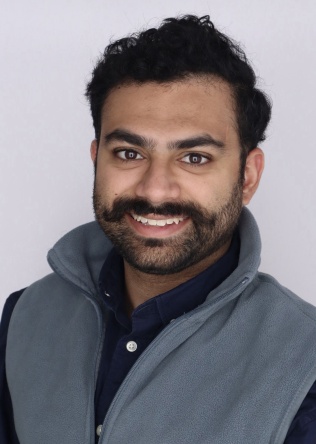
Victor Borza, MS is a Medical Scientist Training Program (MSTP) student advised by Bradley Malin, Ph.D. and funded by a fellowship from the National Heart, Lung, and Blood Institute. His research includes methods for improving representativeness in large biomedical datasets, the relationship between dataset composition and downstream algorithmic performance and fairness, and the sub-phenotyping and prediction of outcomes for people living with obstructive sleep apnea using electronic health records (EHR) data.
Victor completed his undergraduate training at Dartmouth College, receiving a B.A. and B.Eng. in 2018. His undergraduate and post-graduate research studied the role of chemotaxis in bacterial pathogenesis for lung infections, the use of metabolomics for diagnosing prosthetic joint infections, the use of Cherenkov radiation to visualize radiation therapy in real time, and the development of early detection systems for occult internal hemorrhage. Victor joined the Vanderbilt MSTP in 2019, received a M.S. in biomedical informatics from Vanderbilt in 2024, and is currently pursuing dual M.D. and Ph.D. degrees. In 2024, he received the 1st place Martin Epstein Award at the Student Paper Competition at the American Medical Informatics Association (AMIA) Annual Symposium for his paper “Adaptive Recruitment Resource Allocation to Improve Cohort Representativeness in Participatory Biomedical Datasets”.
Marco Barbero Mota
Marco Barbero Mota completed his bachelor’s degree in biomedical engineering from Universidad Carlos III de Madrid including two international exchanges at University of California Riverside and University of New South Wales. He also holds a master’s in research in Bioengineering from Imperial College London. During 2020/2021 he was employed by INSERM-Université de Paris-Hôpital Bichat.
He joined DBMI at Vanderbilt University as a master's student in Fall 2021 funded by the Fullbright Scholarship. Marco is admitted as a PhD student for Fall 2023 with funding from Fundacion "la Caixa" of Barcelona, Spain. The fellowship award is administered by the "la Caixa" Program Office at Indiana University. Marco's mentor is Tom Lasko.
In 2024, he received second place at the American Medical Informatics Association (AMIA) Annual Symposium's Knowledge Discovery and Data Mining Working Group Innovation Competition for his paper titled “A data-driven approach to discover and quantify systemic lupus erythematosus etiological heterogeneity from electronic health records”.
Edward Qian, MD, MSACI
Dr. Qian is an Assistant Professor of Medicine, Division of Pulmonary and Critical Care Medicine; Assistant Professor in the Department of Anesthesiology; Assistant Professor in the Department of Biomedical Informatics. He completed his Bachelor of Science, in Chemical Engineering, from the University of Delaware(May 2012) and his MD from New York University (May 2016). Eddie completed his internal medicine residency training and pulmonary critical care fellowship at Vanderbilt University Medical Center. Eddie is currently on faculty in the Division of Pulmonary and Critical Care Medicine where he serves as the Assistant Medical Director to the Medical ICU and Assistant Program Director for the Pulmonary and Critical Care Fellowship Program. His research interests include using informatics in clinical trials.
Peter (Beau) Mack, MD
Fall 2021-Spring 2023
I am a family physician and provider informaticist at Novant Health South Park Family Physicians, a family medicine practice in Charlotte, NC. I studied computer science and cognitive psychology as an undergrad at Duke University and did research in MRI image analysis there. I then studied medicine at Loyola University Chicago before moving to Charlotte for my residency in family medicine. I have been at my practice for 11 years and treat a diverse population of all ages in an outpatient setting. For the last four years, I have served as a provider informaticist with Novant Health, building workflows for primary care providers in our health system's Epic implementation. My projects have focused on bringing clinical guidelines to the point of care to enable physicians to provide higher quality care while decreasing the computer burden of the visit. My past projects have included an adult wellness visit workflow, elevated liver enzyme workup, and evidence-based antibiotic selection for respiratory conditions.
Holly Ende, MD
I am Associate Professor of Anesthesiology and Biomedical Informatics at Vanderbilt University Medical Center, specializing in obstetric anesthesiology. Prior to my time at Vanderbilt, I completed medical school at Baylor College of Medicine in Houston, Texas followed by anesthesiology residency and obstetric anesthesiology fellowship at Brigham and Women’s Hospital in Boston, Massachusetts. In addition to clinical work and trainee education, I have spent my early years as faculty cultivating research interests in maternal morbidity, opioid use during pregnancy, postpartum hemorrhage, and clinical informatics.
I am interested in enhancing the operational workflows of my obstetric anesthesia workplace and translating this new skillset into quality improvement initiatives to benefit all mothers on the labor and delivery floor.