PheWAS Reveals Post-COVID-19 Diagnoses

A high-throughput informatics technique developed at Vanderbilt University Medical Center that reveals associations between genetic variations and medical conditions in the electronic health record (EHR) also can identify new “post-COVID” diagnoses, according to a report in the Journal of the American Medical Informatics Association. 

VUMC's Dan Roden Leads Effort to Map Heart Disease-Causing Genetic Variations

One in 100 people have genetic variations that can cause potentially life-threatening heart conditions, including high cholesterol (lipid disorders), heart muscle disease (cardiomyopathies), and abnormal heart rhythms (arrhythmias). Yet the functional impact of most of these cardiovascular genetic variants — whether they disrupt normal function or are harmless — is unknown. That is about to change.

NATURE: Cosmin Adi Bejan uses Natural Language Processing (NLP) to improve how well we identify (“ascertain”) suicidal thoughts and behaviors in healthcare data.

Methods relying on diagnostic codes to identify suicidal ideation and suicide attempt in Electronic Health Records (EHRs) at scale are suboptimal because suicide-related outcomes are heavily under-coded. We propose to improve the ascertainment of suicidal outcomes using natural language processing (NLP). We developed information retrieval methodologies to search over 200 million notes from the Vanderbilt EHR. Suicide query terms were extracted using word2vec. A weakly supervised approach was designed to label cases of suicidal outcomes.

DBMI Digest August 2022 Issue—Now Available!

The Vanderbilt University Medical Center (VUMC) Department of Biomedical Informatics's (DBMI) monthly newsletter, DBMI Digest, is now available to view. Read the August 2022 DBMI Digest here. Each DBMI Digest features department & faculty announcements, awards & appointments, educational & HR updates, funding opportunities and more. Each issue also includes a profile of one of our faculty, staff, postdocs and students. 

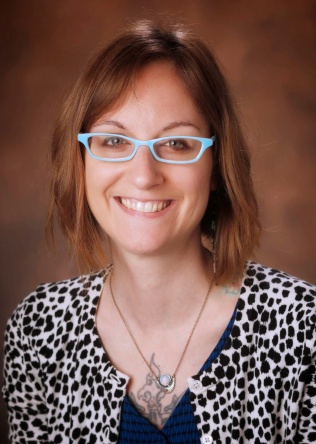
Laura Zahn

Laura
Zahn
Senior Project Manager
2525 West End Avenue
laura.a.zahn@vumc.org

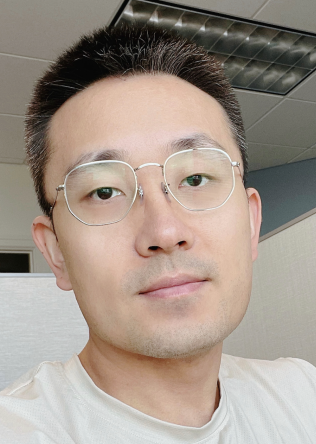
Chao Yan, PhD, MS

Chao
Yan
Research Instructor
Department of Biomedical Informatics
2525 West End Avenue
Nashville
Tennessee
37203
chao.yan.1@vumc.org

Chao Yan, PhD, is a research instructor in the Department of Biomedical Informatics at Vanderbilt University Medical Center (appointed in February 2025), following the completion of his postdoctoral fellowship in the same department. He earned his PhD in computer science from Vanderbilt University in 2022. Dr. Yan’s research focuses on developing computational methods, particularly AI/ML algorithms, to unlock the full potential of biomedical data while promoting its ethical use to improve health care delivery. His work spans several key areas: (i) creating generative AI algorithms for synthetic health data generation to broaden health data access and maximize their analytical value; (ii) designing trustworthy AI/ML models for disease diagnosis and intervention; (iii) leveraging large language models and graph technologies to accelerate biomedical research and clinical applications; and (iv) applying network science to reveal complex structures in health care systems and their associations with patient outcomes.

He is the recipient of the NIH NLM K99/R00 Pathway to Independence Award and the TN-CFAR Development Core Award, both awarded in 2024. His work has been recognized with numerous honors, including selection for one of the best articles in clinical research informatics published in 2020 (featured in the 2021 International Medical Informatics Association Yearbook) and a Distinguished Paper Award at the 2019 AMIA Annual Symposium.

Dr. Yan is an active contributor to the medical informatics community. He was an elected member of the JAMIA Student Editorial Board and currently serves on the JAMIA Editorial Board for the 2025-2027 term. He has also been invited to serve as an Editor for Special Issues and Collections in leading journals such as BMC Medical Informatics and Decision Making. Additionally, he was a member of the Scientific Program Committee for the 2024 AMIA Annual Symposium and serves as the lead organizer and moderator of the NIH AIM-AHEAD AI Optimization Discussion Forum series.

Technical and Legal Specialists Team Up to Address Security of Genomic Data

An explosive increase in the quantity of genomic data being collected, used and shared is propelling current and ongoing research into privacy protections related to personal genetic information. A team at Vanderbilt University Medical Center has reexamined the literature surrounding online threats and protections against genomic data leaks from both a legal and technical perspective.

Mohammed Ali Al-Garadi, PhD

Mohammed
A
Al-Garadi
Research Assistant Professor
Department of Biomedical Informatics

Dr. Mohammed Al-Garadi is a Research Assistant Professor in the Department of Biomedical Informatics at Vanderbilt University Medical Center. He previously worked as a Postdoctoral Researcher at Emory University, focusing on natural language processing (NLP), machine learning (ML), deep learning and large language models (LLMs) for healthcare applications. His research focuses on extracting insights from unstructured healthcare data, particularly unstructured notes, using NLP and machine learning techniques. By developing modules and pipelines, he has created systems to efficiently process diverse healthcare data streams. He worked on NIH and CDC grants involving the application of NLP and machine learning to analyze large-scale clinical narratives and public health data. 

To date, Dr. Al-Garadi has authored and co-authored over 50 papers in high-impact scientific journals. Currently, Dr. Al-Garadi is exploring the potential of NLP, ML, and LLMs on unstructured EHR clinical notes for various healthcare applications. These include extracting, predicting, and detecting causes of death, postoperative infections, COPD exacerbations, kidney disease, peripheral artery disease, and tele-dermatology conditions and outcomes. He is working on projects supported by the NIH, Department of Veterans Affairs, and FDA.

Twitter: https://twitter.com/AliAlgaradi
Google Scholar