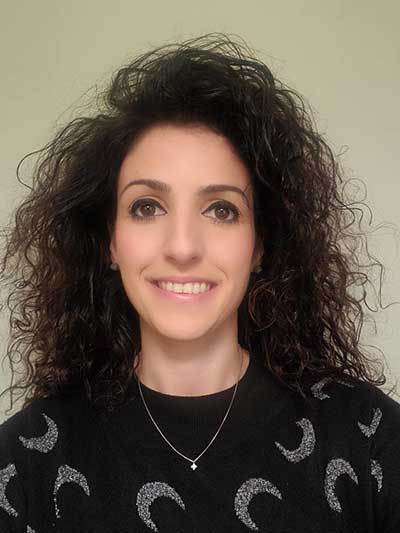
Luisella Spiga, PhD
Luisella Spiga, PhD, is a Senior Scientist in the laboratory of Wenhan Zhu, PhD, in the Department of Pathology, Microbiology, and Immunology at Vanderbilt University Medical Center. Her research focuses on host-microbe interactions, intestinal inflammation, and microbial metabolism, with an emphasis on understanding how gut pathogens interact with the host and the microbiome to drive disease.
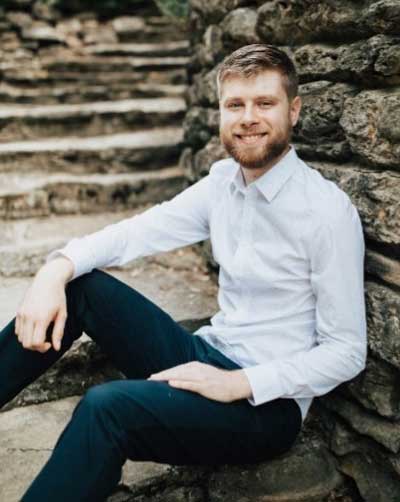
Ryan Fansler
Ryan Fansler is a PhD candidate in the Microbe-Host Interactions Program at Vanderbilt University Medical Center in the laboratory of Wenhan Zhu, PhD. His research focuses on gut microbiome resilience, intestinal inflammation, and the mechanisms pathogens use to acquire essential nutrients and survive within the gastrointestinal tract, with a particular interest in Bacteroides fragilis and host-pathogen interactions.
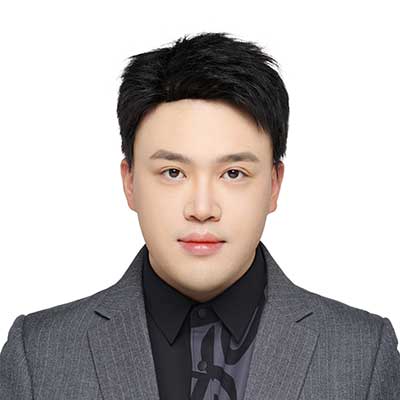
Yifan Wu, PhD
Yifan Wu, PhD, is a Postdoctoral Fellow in the laboratory of Wenhan Zhu, PhD, in the Department of Pathology, Microbiology, and Immunology at Vanderbilt University Medical Center. His research focuses on gut pathogens, inflammation, and host-microbe interactions, with an emphasis on uncovering the molecular mechanisms that regulate intestinal health and disease.
An interview with our scientist:

In a nutshell, what do you study?
We study how bacteria interact with the gut and the host during inflammation, with a focus on understanding how these interactions contribute to diseases such as colorectal cancer.
What is your research about?
Our research focuses on enterotoxigenic Bacteroides fragilis (ETBF), a gut bacterium linked to colorectal cancer. We discovered that ETBF can reprogram host cell metabolism, causing intestinal cells to produce more oxygen and lactate by switching to glycolysis. These changes create an environment that allows the bacteria to thrive during inflammation, despite being considered an anaerobic organism.
Why is your research important?
Our findings challenge the long-held belief that ETBF is strictly anaerobic by showing it can take advantage of oxygen produced during inflammation to support its growth. Understanding how this bacterium manipulates host metabolism provides new insight into the relationship between chronic inflammation, the gut microbiome, and colorectal cancer, while identifying potential therapeutic targets to interrupt disease progression.
What is one topic in your field that excites you right now?
One exciting area of research is engineering beneficial bacteria to deliver therapeutics directly at the gut lining. Instead of producing harmful toxins, these modified bacteria could be used to deliver targeted treatments where they are needed most, offering new possibilities for treating inflammatory diseases and colorectal cancer.
What drew you to science?
Science offers the opportunity to discover something no one else has ever known before. That sense of curiosity and discovery continues to inspire our work. Although our career aspirations have changed over the years—from becoming doctors, chefs, or even riding motorcycles—the excitement of solving scientific puzzles ultimately led us to research.
What is one piece of advice you would give to a new graduate student?
Be patient and enjoy the process. Research rarely follows a straight path, and it's normal not to have all the answers. Stay humble, ask questions, and never be afraid to admit what you don't know. At the same time, remember that you're a person first and a scientist second—taking care of yourself outside the lab is just as important as succeeding in it.