Nicole
L.
Ward
Ph.D.
Vice Chair for Basic Research
Department of Dermatology
Endowed Lloyd E. King, Jr. Directorship in Dermatology Research
Pathology, Microbiology and Immunology
Lab Address
Medical Center North
1161 21ST AVE S
Nashville
Tennessee
37232
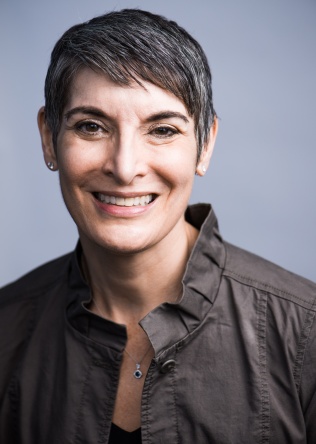
Dr. Ward is a Professor and the Vice-Chair of Basic Research in the Department of Dermatology. She joined the department in January 2022 after working at Case Western Reserve University in Cleveland for more than 18 years. Dr. Ward completed her undergraduate, graduate and fellowship training in Canada before moving to Cleveland in 2003. Her active research program is focused on understanding the cellular and molecular pathogenesis of chronic inflammatory skin diseases, like psoriasis and psoriasis-related comorbidities. Her lab specializes in generating and studying unique mouse models of inflammatory skin disease. Her group has published several seminal findings including being the first to show that chronic skin-initiated inflammation can drive the development of cardiovascular disease and that suppressing it reverses disease; and that cutaneous sensory nerve interactions with dendritic cells are critical for eliciting and sustaining psoriasis pathogenesis, thus explaining the cellular mechanisms underlying psoriasis disease remission following skin denervation. Her paradigm shifting work in psoriasis resulted in her being awarded the Eugene M. Farber Lecture at the 2016 Society for Investigative Dermatology meeting. She was the first non-MD, first woman and youngest person to be awarded this honor. In 2019, the American Skin Association acknowledged her scientific contributions with the Research Achievement Award in Psoriasis and in 2022 the National Psoriasis Foundation honored her at their Women Who Lead Commit to Cure Gala. Dr. Ward trains, teaches, and mentors undergraduate, graduate and medical students, residents, post-doctoral fellows, and junior faculty. At any given time, Dr. Ward’s lab is usually found to be surprisingly small. However, it is also often referred to as “small but mighty”.
Current research in the Nicole Ward lab is focused on identifying the cellular and molecular mechanisms underlying inflammatory skin disease and its associated co-morbidities, including arthritis, CVD, IBD, and depression. We study skin and blood from mouse models and psoriasis patients using a Systems Biology approach with CyTOF, multi-colour FACs, RNASeq, ScSeq, and Spatial Seq in order to better understand how chronic inflammatory diseases are related.
https://www.vumc.org/wardlab/publication/publications
Dr. Ward's research interests include psoriasis, psoriatic arthritis (PsA), osteogenesis imperfecta (OI), lupus, hidradenitis suppurativa (HS), other inflammatory skin diseases, multi-‘omics, microbiome, and skin disease co-morbidities.
nicole.ward@vumc.org
University of Winnipeg, Winnipeg, Manitoba, Canada BSc 05/1995 - Biology, Psychology
McMaster University, Hamilton, Ontario, Canada M.Sc. 09/1996 - Neurosciences
Dalhousie University, Halifax, Nova Scotia, Canada Ph.D. 09/1999 - Anatomy & Neurobiology
Sunnybrook Research Institute, University of Toronto, Toronto, Ontario, Canada Post-doc 10/2003 - Angiogenesis and Molecular genetics