DBMI Digest July 2024 Issue—Now Available!
The Vanderbilt University Medical Center (VUMC) Department of Bi

Molly Talman is a clinical fellow in pediatric hematology and oncology at Vanderbilt University Medical Center. She intends to become a clinician-scholar with a focus on clinical informatics approaches to address challenges in cancer care delivery in pediatric oncology. She aims to evaluate and utilize emerging technologies to determine their suitability in clinical use and improve patient care, including incorporation of evidence-based guidelines. She hopes to use this program to provide didactic instruction and a solid foundational background in clinical informatics, health information technology, and clinical decision support. She plans to use the knowledge and skills she gains in the MS-ACI program to supplement her fellowship research project during which she proposed to develop and test a tool to streamline creation of care plans for survivors of pediatric cancer.
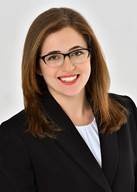
Fall 2024-Spring 2026
Sarah Stern is a resident at Atrium Health Wake Forest Baptist, I participated in the residency program’s clinical informatics pathway, which sparked my interested in clinical informatics. As a resident and chief resident, she participated as a physician builder working on projects ranging from resident workflow optimization, clinical documentation efficiency, harmonization between two different EHR instances, to inpatient hypoglycemia risk modeling.
She is an internal medicine physician working in the walk-in clinics during the fellowship but love practicing both inpatient and outpatient general medicine! She looks forward to delving deeper into informatics during the MS-ACI program and informatics fellowship, especially using informatics and data to make care better for patients and more efficient for clinicians.
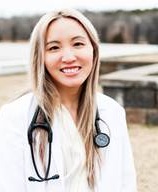
Natalie Hsiao-Fang-Yen, MD, works as an internal medicine physician at Williamson Medical Center in Franklin, TN. Originally, she is from a small town called Wichita, Kansas. After earning her medical degree from the University of Limerick, Ireland, Dr. Hsiao-Fang-Yen completed her internal medicine residency at Meharry Medical College. She continues to mentor medical students at her Irish alma mater and supports educational activities as a community faculty member at the Thomas Frist College of Medicine. She worked as an investigator with clinical research organizations in the past where she performed studies involving stem cell treatments for osteoarthritis, COVID vaccines, and therapies for advanced asthma.
She is currently pursuing a Master’s in Applied Clinical Informatics at Vanderbilt University and is an active member of the American Medical Informatics Association (AMIA). Her research interests include workflow optimization in hospital settings, improving patient safety measures, and the use of artificial intelligence to help identify and diagnose disease.

Fall 2024-Spring 2026
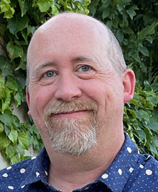
Rebecca Flaherty is a program manager in the Department of Pharmacy at Mount Sinai Health System in New York City. She earned her bachelor's degree from New York University and later completed a Master of Public Health at Boston University, focusing on healthcare management. During her studies in Boston, she found particular interest in lean management, healthcare delivery systems, and digital disruption in health. She gained valuable experience as a data coordinator for the Enhanced Recovery After Surgery (ERAS) clinical pathways team at Brigham and Women's Hospital and deepened her understanding of patient quality and safety. Upon returning to New York, she joined Mount Sinai, initially working with the 340B drug pricing program team before transitioning to my current role. She collaborated closely with the Pharmacy and Therapeutics Committee, particularly its subcommittees like the Medication Safety Committee and the Anticoagulation Steering Committee. Her focus lies in standardizing policies and practices across the system, leveraging systems approaches to identify vulnerabilities and enhance care efficiency for both patients and providers.
Fall 2024-Spring 2026
Tim Coffman is an application developer specializing in building SMART on FHIR applications and integrating them with VUMC eStar and EHRs at other institutions. His goal is to build and support an ecosystem of tools that enable clinicians, researchers, and others to build innovative new EHR-integrated tools as easily as possible. He's built systems here at VUMC to manage recurring oncology regimens, respond to voice queries, calculate risk factors for pneumonia and heart failure, and support exploring FHIR resources available in eStar.

Fall 2024-Spring 2026
Jacob Beckstead has been a research assistant at Vanderbilt University’s Pharmacology Department for eight years, investigating the roots of colorectal cancer metastasis and developing neuropharmacological research tools. His journey into clinical informatics began while investigating links between metastatic risk and atopic disease, where he manually reviewed thousands of patient records for study eligibility. This introduction to electronic health records (EHR) and the immense wealth of information they contain inspired me to pursue the efficient exchange of information between the research and clinical sectors. Additionally, the recent commercialization of large language models has opened new possibilities in data processing but has also introduced security risks. One of his chief goals as a researcher is to develop methods and policies to ensure the integrity of research models and the safety of patient data.
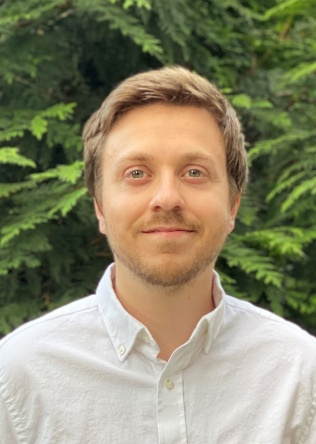
Parker Christy worked in the Alvin Jeffery lab for nearly two years at the Vanderbilt School of Nursing and has a customer service/tech support background. He joined DBMI in July 2024 as Associate Application Developer and is currently working closely with Alvin Jeffery to identify which phenotypes are at risk for or affected by substance use disorders and addiction leveraging natural language processing on clinical notes.