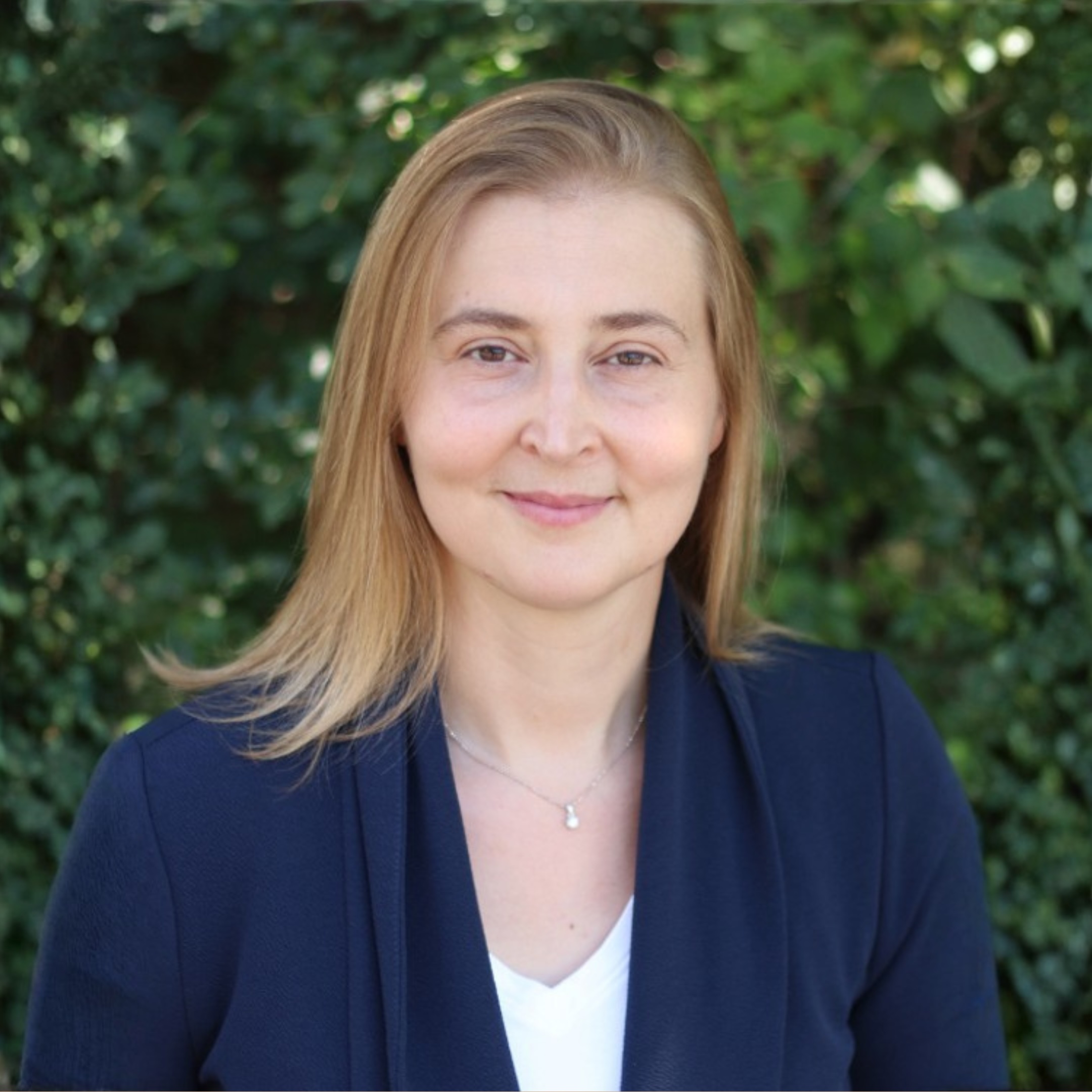
Katy Bunn, PhD was a graduate student in the Department of Pathology, Microbiology, and Immunology in the Pua Lab at Vanderbilt University Medical Center at the time of this work. Her research focused on understanding how T helper 2 (Th2) cell–derived extracellular vesicles regulate allergic inflammation. Specifically, her work examined how cytokine cargo on the surface of extracellular vesicles, including IL-3, promotes eosinophil survival in both in vitro systems and in vivo mouse models of asthma. Through this research, Dr. Bunn contributed to uncovering new mechanisms of immune cell communication that may help explain persistent inflammation in patients whose asthma is not fully controlled by existing therapies.
Heather Pua, MD, PhD is an Assistant Professor in the Department of Pathology, Microbiology, and Immunology whose laboratory studies how extracellular vesicles and extracellular RNAs regulate chronic tissue inflammation. Her research focuses on diseases with long-term impact and limited treatment options, such as asthma. By combining mechanistic studies of immune cell–derived extracellular vesicles with translational disease models, Dr. Pua’s work aims to identify alternative inflammatory pathways that may contribute to disease persistence and therapeutic resistance. Her lab’s findings seek to expand current treatment paradigms and improve outcomes for patients with chronic inflammatory diseases.
An interview with
our scientists:

Can you introduce yourselves and your roles?
Katy Bunn: “My name is Katy Bunn, and I’m a graduate student in the Department of Pathology, Microbiology, and Immunology, and I’m in Heather Pua’s lab.”
Heather Pua: “My name is Heather Pua, and I’m an Assistant Professor in Pathology, Microbiology, and Immunology.”
What does your lab study?
HP: “Our lab is really interested in how extracellular vesicles and extracellular RNAs regulate chronic tissue inflammation. We like to work in models of diseases that really affect patients long term and for which there are no cures, like asthma.”
What is the title of your paper?
KB: “Mouse TH-2 cell extracellular vesicles promote eosinophil survival through the surface cytokine cargo IL-3.”
What were your findings?
KB: “In this work, we found that Th2 cells activated through the T cell receptor secrete extracellular vesicles that carry a cytokine on their surface. The cytokine on the surface of these extracellular vesicles is IL-3, and these vesicles interact with eosinophils to promote their survival, both in vitro in a culture system and in vivo in the lungs of mice.”
What is the significance of your work?
KB: “Typically, IL-5–based therapies are considered the gold standard for asthma treatment, but there is a large population of patients whose symptoms are not resolved and who still experience exacerbations. We think that IL-3, and particularly IL-3 on extracellular vesicles, might be another way to treat asthma and could reach a population of patients that are not currently helped by existing IL-5–based therapies.”
HP: “Our work studies cargo that is on the surface of extracellular vesicles, which is an area of growing interest. Understanding how those surface cargo’s function is one of the key questions in the extracellular vesicle field right now.”
What advice would you give to aspiring scientists?
HP: “If you want to be a scientist, find a question you’re passionate about, a group of people you admire in how they approach science, and then immerse yourself in that science.”