About the Profession
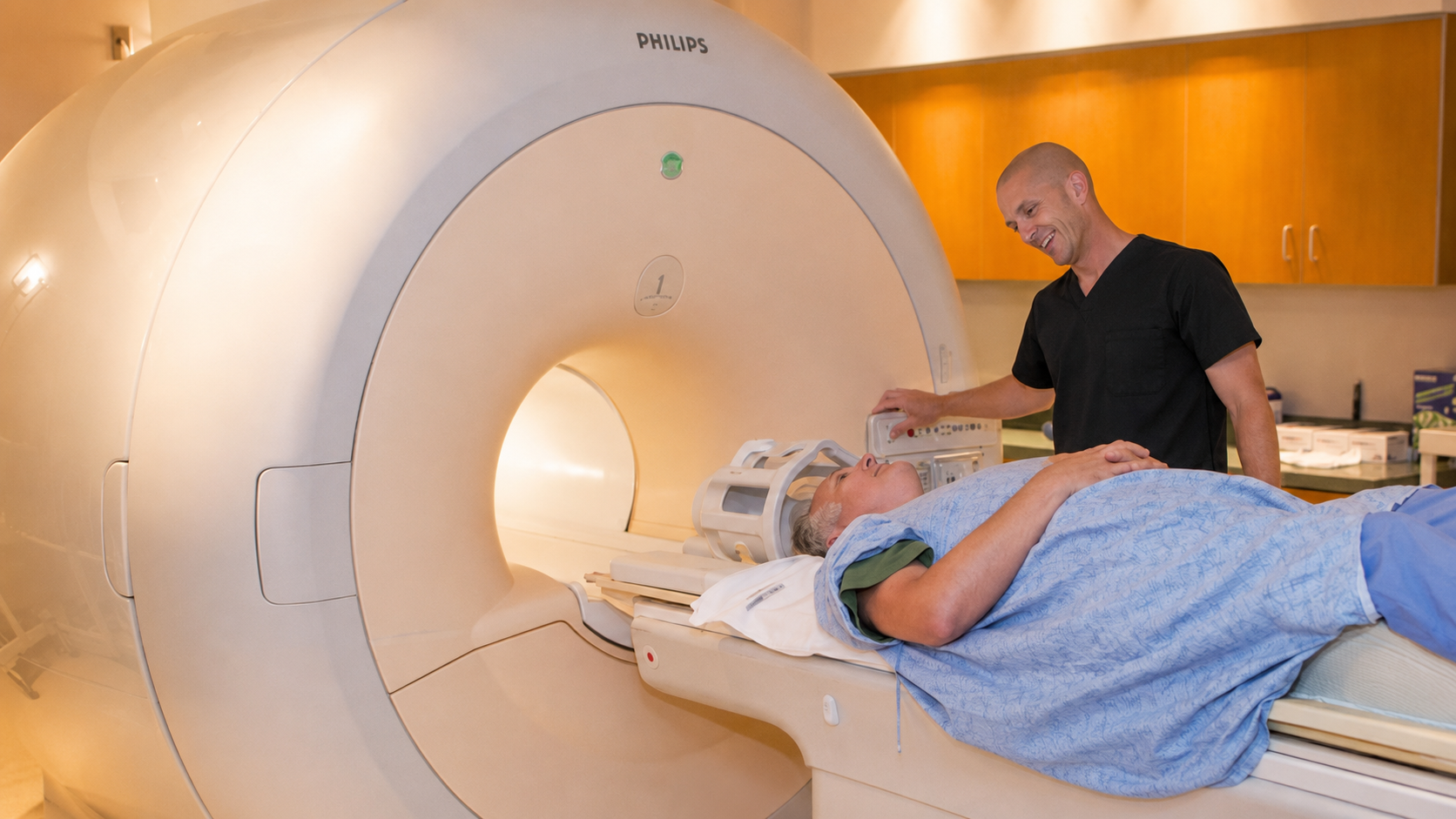
Magnetic resonance imaging (MRI) technologists are medical imaging professionals who use specialized equipment to produce detailed images of human anatomy. One of several modalities situated within the larger field of radiology, MRI uses a powerful magnetic field, radiofrequency energy, and computer technology to create images of internal organs, tissues, and other anatomical structures. Physicians and healthcare personnel rely on MRI to aid in the diagnosis and management of a wide range of medical conditions. MRI technologists apply their knowledge of anatomy, pathophysiology, physics, instrumentation, imaging techniques, and MRI safety in their daily practice to provide quality diagnostic imaging and patient care. These professionals are employed in various medical facilities, including hospitals, clinics, and outpatient imaging centers.
About the Program
The MRI Program at Vanderbilt University Medical Center (VUMC) provides asynchronous online coursework and in-person clinical training for prospective MRI technologists. Coursework focuses on clinical procedures, patient care and safety, cross-sectional anatomy and physiology, MRI physics, instrumentation, and image acquisition. Students gain the knowledge and clinical experience necessary to perform MRI procedures while applying principles of patient care, image quality, and MRI safety in the clinical environment.
Clinical rotations take place across Vanderbilt Health, providing students with exposure to a variety of MRI procedures and patient populations. The MRI Program also provides students with a comprehensive board review prior to sitting for the national board certification examination. Graduates who meet eligibility requirements may sit for the American Registry of Radiologic Technologists (ARRT) certification examination in Magnetic Resonance Imaging, ARRT(MR).
Program Structure
Online coursework provides working professionals the flexibility to complete MRI education around their schedules. While students are expected to progress according to a pre-established course timeline, much of the coursework is self-paced. Students should anticipate spending approximately 4 hours per week completing didactic coursework.
Clinical rotations are coordinated by the MRI Program in collaboration with affiliated clinical sites. Students complete an average of 12 hours of MRI clinical education per week and must accumulate at least 300 clinical hours by program completion. During clinical rotations, students are assigned to a board-certified MRI technologist and gain hands-on experience under their direct supervision. Students are expected to progressively develop and demonstrate proficiency in required clinical competencies throughout the program.
Didactic Component
- Class Format: Online, Asynchronous
- Total Coursework Hours: approx. 80
Clinical Component
- Total Minimum Clinical Hours: 300
- Minimum Average Hours per Week: 12
Vanderbilt Health Rotation Sites:
- VUMC Adult Hospital
- Monroe Carell Jr. Children’s Hospital
- Vanderbilt Imaging Services – One Hundred Oaks
- Vanderbilt Imaging Services – Hillsboro
- Vanderbilt Imaging Services – Cool Springs
- Vanderbilt Imaging Services – Midtown
- Vanderbilt Health – Hendersonville
- Wilson County Hospital
- Bedford Hospital
- Tullahoma-Harton Hospital
- Clarksville Hospital
Admission Requirements
MRI is a post-primary specialty. Qualified applicants must already have certification in at least one of three primary pathways: radiography, nuclear medicine technology, or radiation therapy. Specifically, the program accepts students who have at least one of the following certifications:
- Radiography (X-ray) Tech: R.T.(R)(ARRT)
- Radiation Therapy Tech: R.T.(T)(ARRT)
- Nuclear Medicine Tech: R.T.(N)(ARRT); CNMT (NMTCB)
Application Process
Applications will be accepted on a rolling basis. To apply, use this application link. Interviews may be scheduled prior to final admissions decision. The MRI program offers enrollment on a quarterly basis. Contact the Program Director for further information related to the application or admissions process.
Application materials include:
- Resume
- Personal Statement of Interest and Goals
- Active ARRT or NMTCB certification
- 3 Professional References
- $50 Application Fee – applies only to regular (tuition-paying) students
- Copy of Photo Identification
- Copy of Health Insurance
- Current BLS Certification
| Application Deadline | Start Date | End Date |
|---|---|---|
| Feb 22, 2027 | Apr 5, 2027 | Oct 3, 2027 |
| May 24, 2027 | Jul 5, 2027 | Jan 2, 2028 |
| Aug 23, 2027 | Oct 4, 2027 | Apr 2, 2028 |
Tuition and Fees
Base tuition for the MRI program is $2,500. Payment plans are available upon request. Additional fees payable to VUMC include those for technology, lifetime transcripts, professional liability insurance, etc. In addition, students will pay third-party expenses to purchase their own textbooks, scrubs, laptop (if necessary), and credentialing fees. Please contact the Program Director for details about total cost of attendance.
Internal applicants who are employed by VUMC may be eligible for full tuition coverage. Please contact the Program Director for further information.
Contact Info
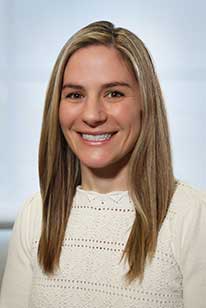
Jenny Pafford, EdD, MS, CNMT
Program Director, Medical Imaging Technology
NM | CT | MR
jennifer.b.pafford@vumc.org