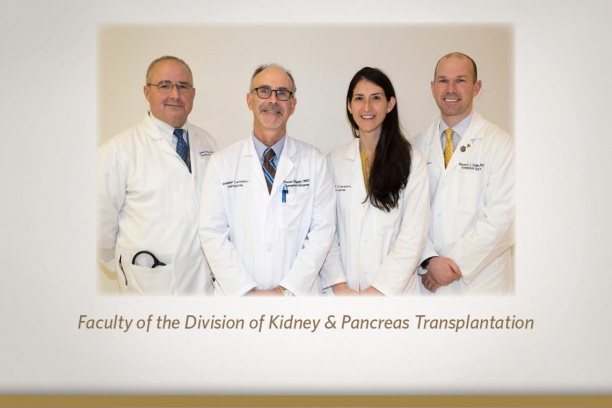
The Division of Kidney and Pancreas Transplantation performs kidney transplants, both cadaver and living donor, robotic and laparoscopic live donor nephrectomies, simultaneous kidney and pancreas transplants, pancreas after kidney transplants, and peritoneal dialysis access procedures for patients with end-stage renal disease. In addition. The Division includes services at Vanderbilt University Hospital, Monroe Carell Jr. Children’s Hospital at Vanderbilt and the Nashville VA Medical Center.
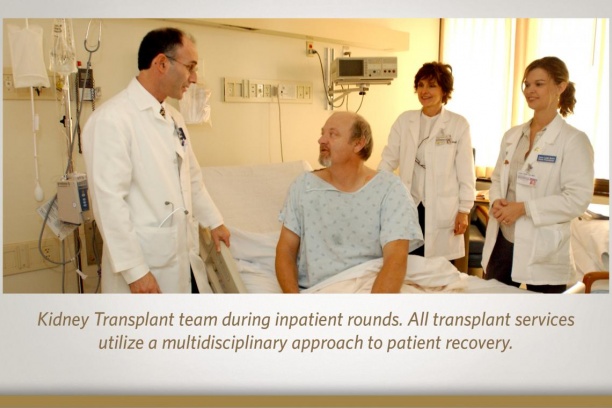
PGY 1 residents are assigned to this service for four-week rotations, and PGY 3 residents for 6.5 weeks. During these rotations they gain experience in management of surgical problems in chronic renal failure patients including all aspects of kidney and pancreas transplantation, as well as peritoneal access for dialysis. They also gain experience with immunosuppression and control of rejection. They work with the Vanderbilt ASTS Abdominal Transplant and Hepatobiliary Surgery Fellow assigned to the service as well as inpatient Nurse Practitioners and a full multidisciplinary transplant team.
Vanderbilt's kidney transplant program has performed over 8,000 transplants since the program was established in 1962. The program, performing nearly 400 transplants annually, has been recognized as a national leader for the number of renal transplants performed, the patient survival rates, and the long-term function of the transplanted kidney. The pancreas transplant program and the combined kidney/pancreas program provide whole organ transplantation to recipients with diabetes mellitus.
The kidney transplant program and the pancreas transplant program are a part of the Vanderbilt Transplant Center, a multi-disciplinary approach by Vanderbilt to the rapidly advancing field of transplantation. The Vanderbilt Transplant Center also includes Vanderbilt's well-established solid-organ transplant programs, including, heart, lung and liver.