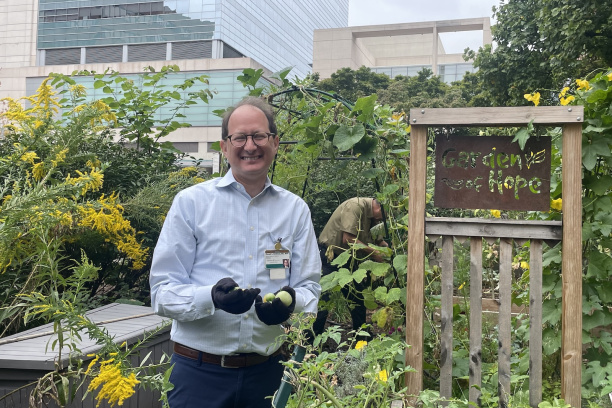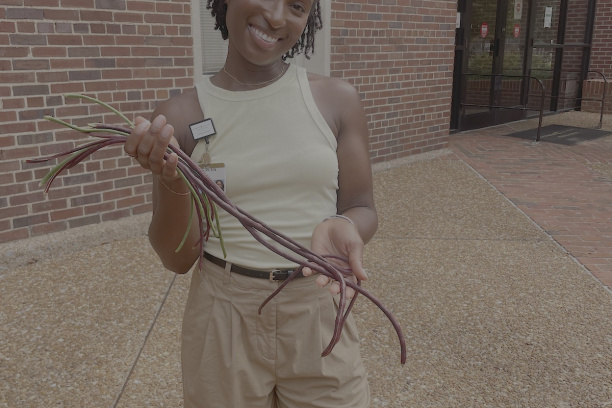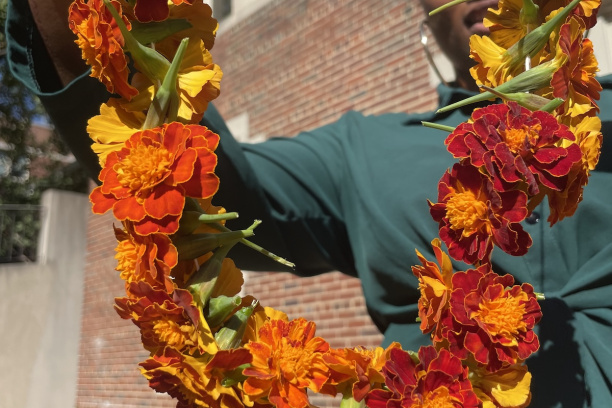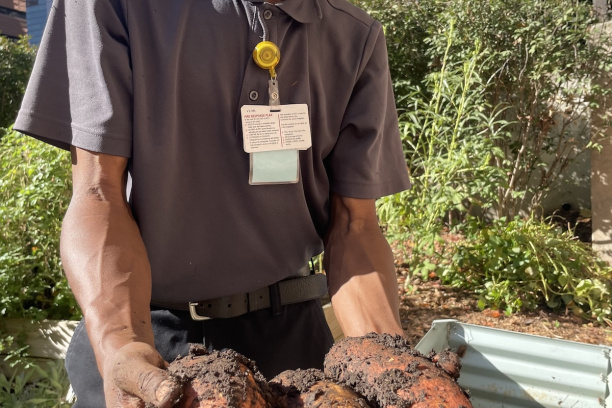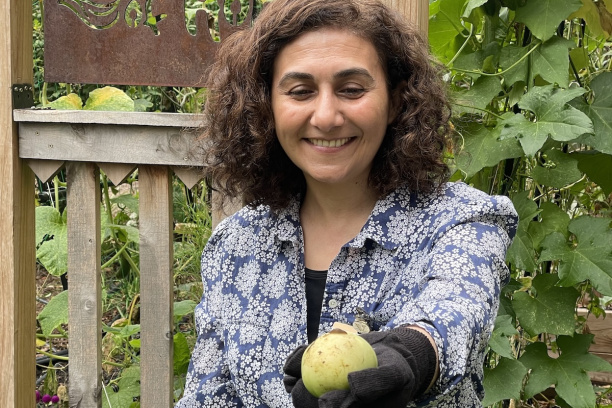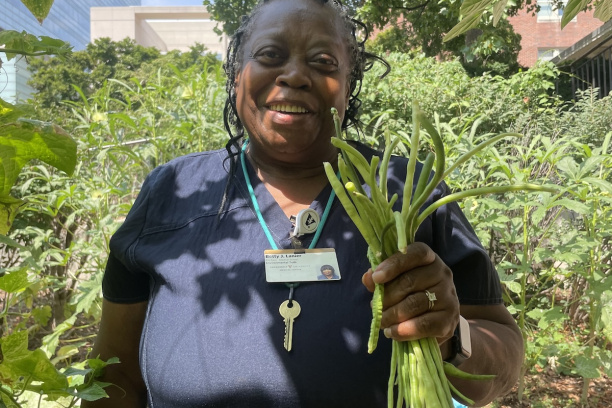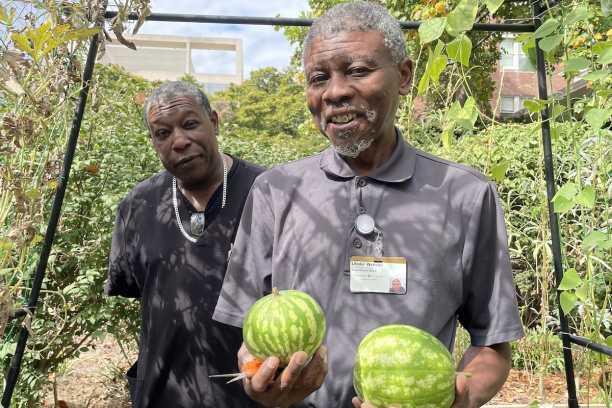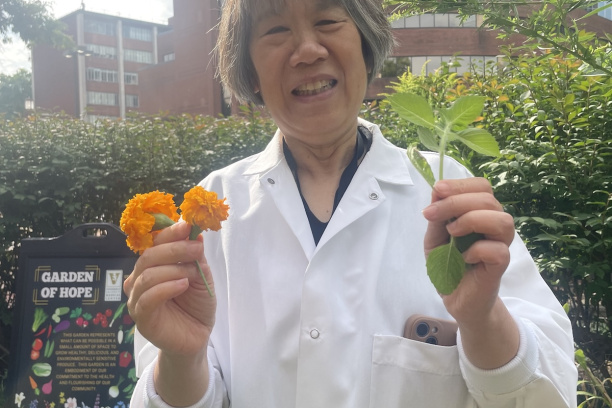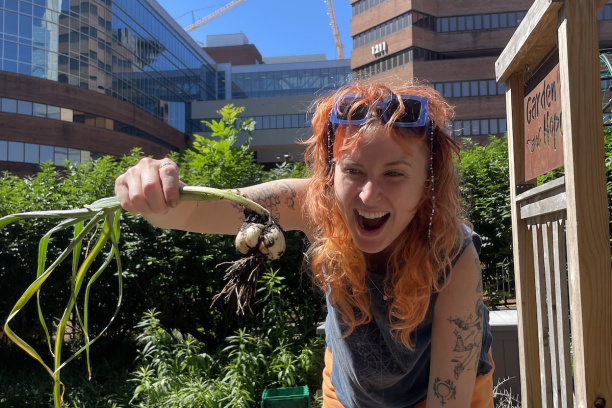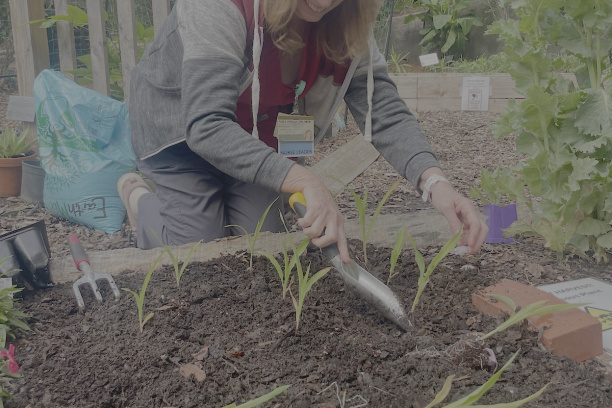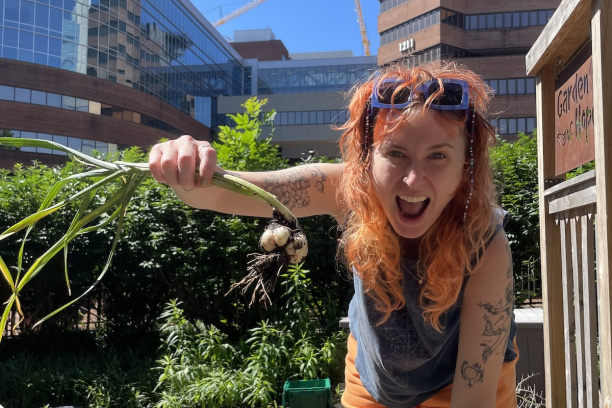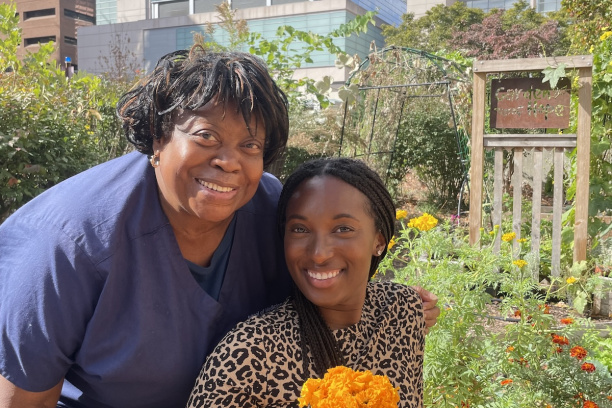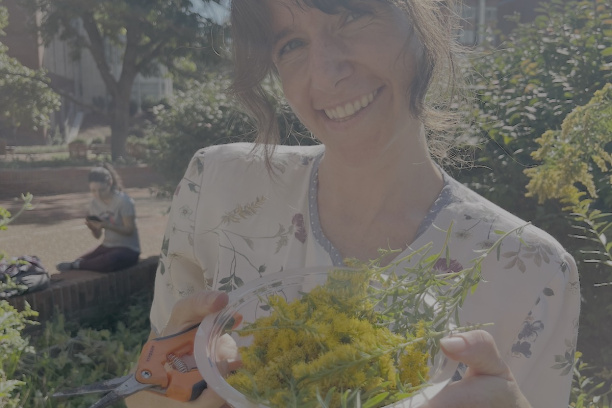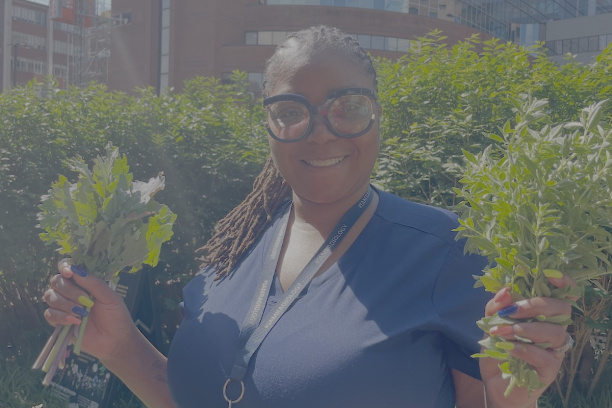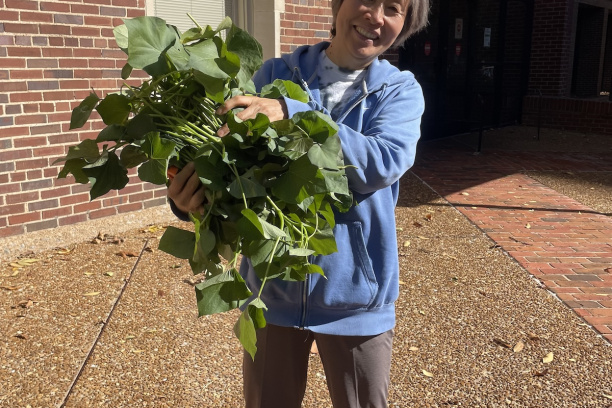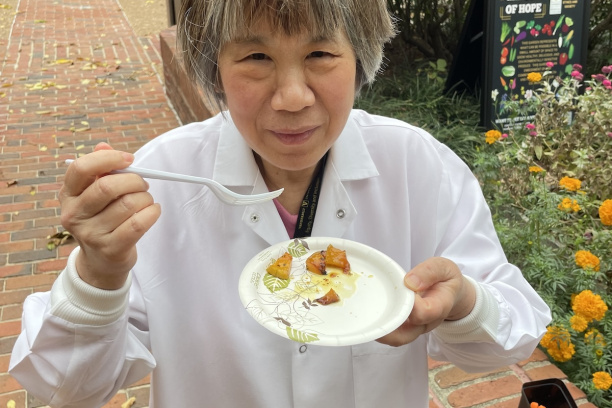
The Garden of Hope Medicinal Garden is an initiative led by Center for Biomedical Ethics & Society’s Marie Holzer, MSW and Vanderbilt Health Internal Medicine Resident, Nicholas Hamilton MD, MPH.
This collaborative medicinal garden seeks to build a bridge between the sometimes seemingly opposing plant and medicine worlds.
Through this exploration of the plant-medicine intersection, Holzer and Hamilton examine 15 different plants from which common pharmaceuticals derive and that are therapeutically recommended from various academies of medicine.
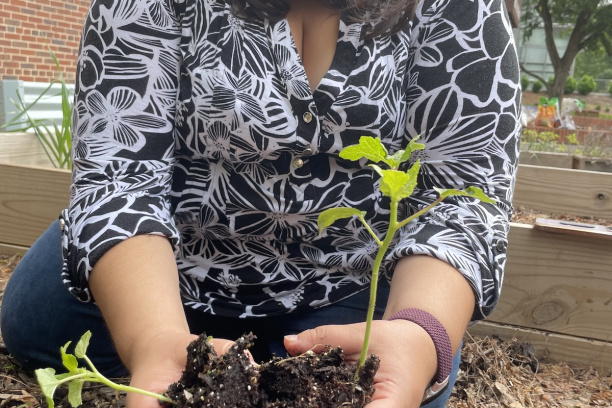
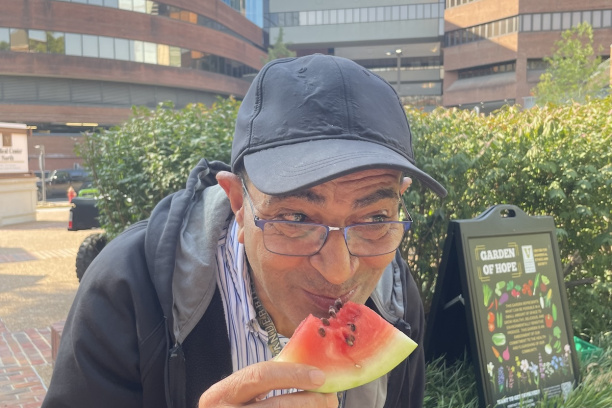
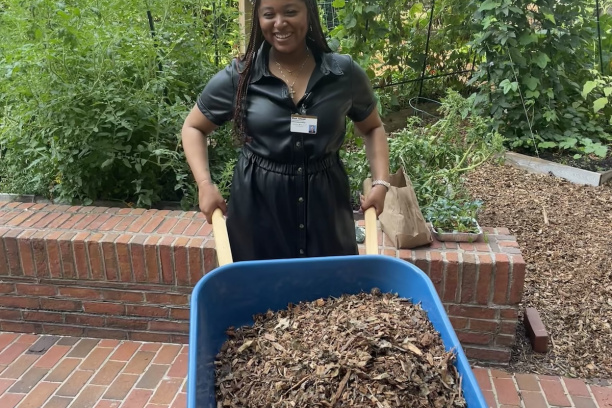
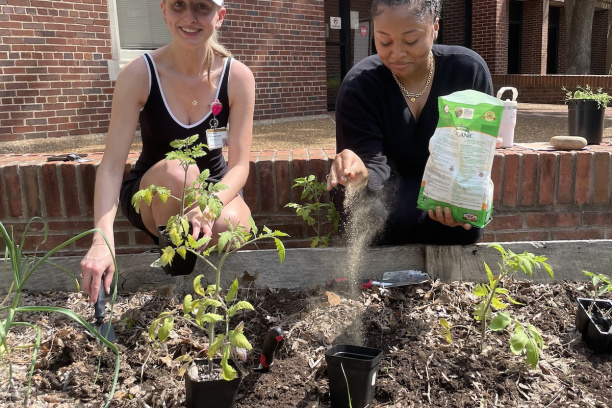
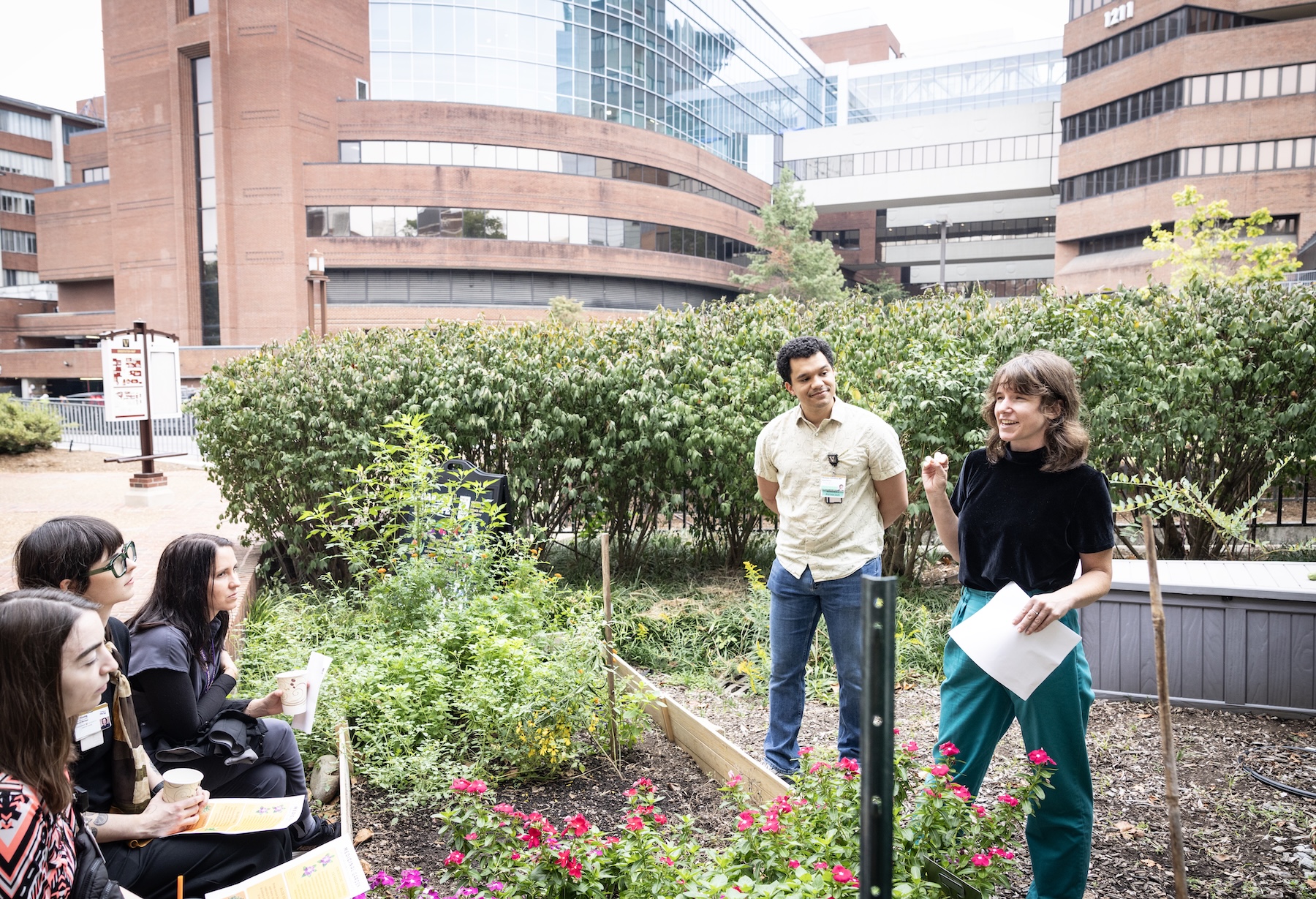
Through three medicinal garden educational sessions from spring to fall of 2026, Holzer and Hamilton toured their Vanderbilt Health colleagues around the Garden of Hope to discuss each of these plants, their historic uses, and their integral roles in medicine today. These tours were designed to invigorate the senses and get participants’ hands in the dirt to more deeply engage with this educational content.
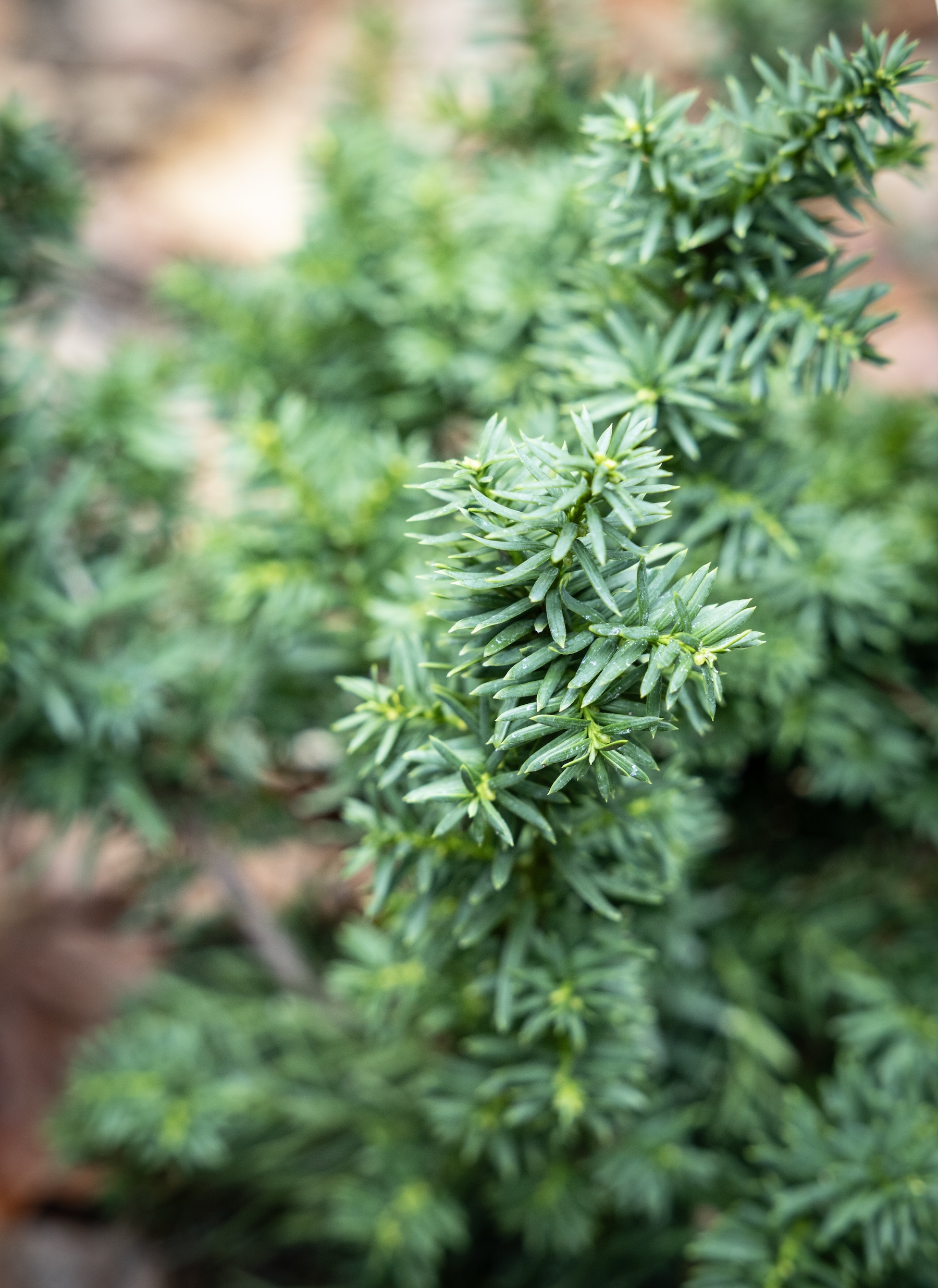
Taxol - Yew Tree - Taxus Brevifolia: Bark from the pacific yew tree, used by Chehalis and Cowlitz peoples for wound care, was later found to fight cancer through research funded by the National Cancer Institute. Today it appears in American Society of Clinical Oncology guidelines for breast, ovarian, lung and pancreatic cancers. Early production required thousands of trees per kilogram, but labs now convert related compounds into the drug, greatly reducing environmental impact.
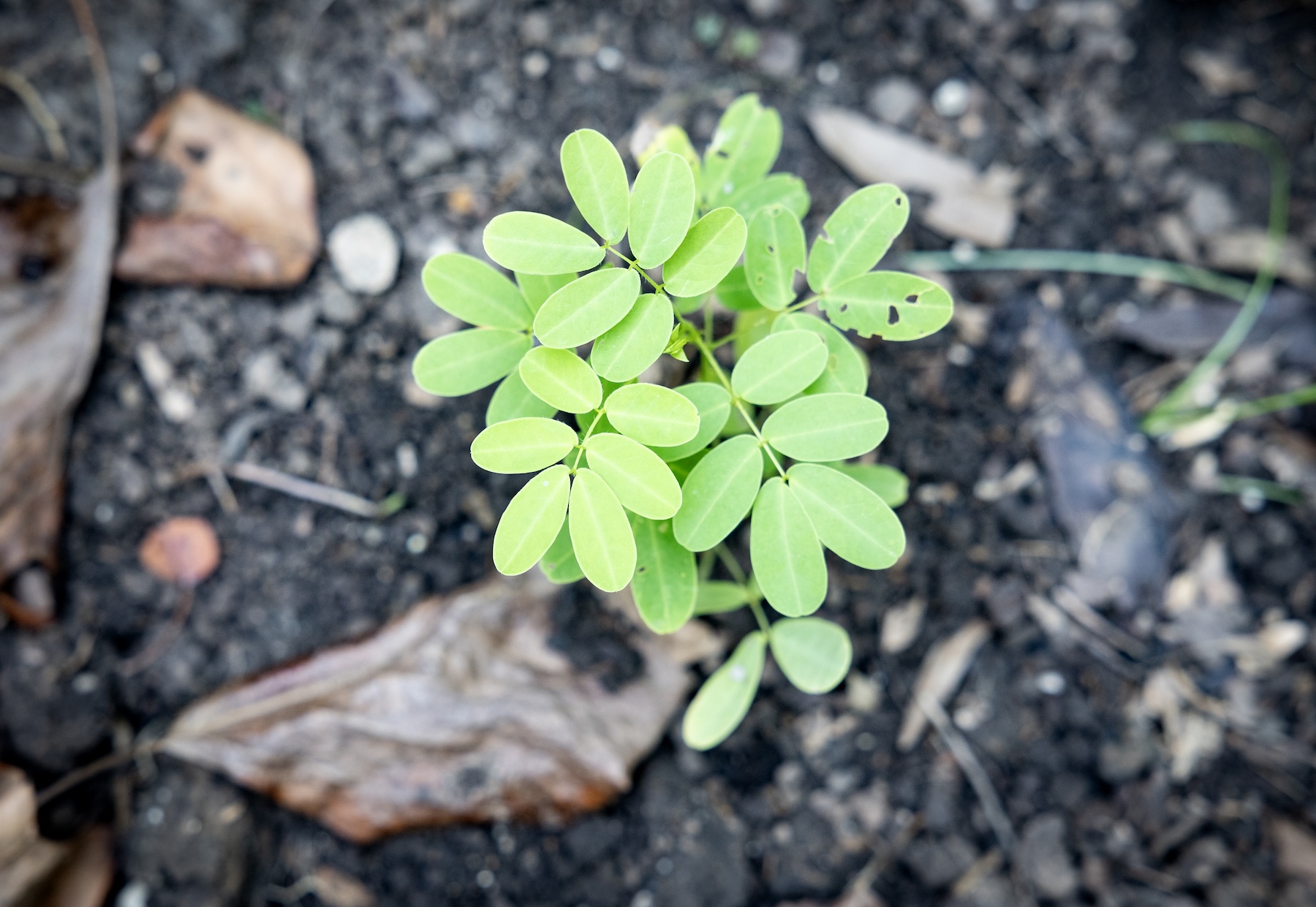
Senna - Senna Hebecarpa: Senna alexandrina, native to the Arabian Peninsula, contains sennosides in its leaves and fruit that act as laxatives when eaten. Senna is a gold-standard treatment for chronic constipation, opioid-related constipation and prevention of constipation in hospitalized patients. Many varieties exist, including American senna grown here.
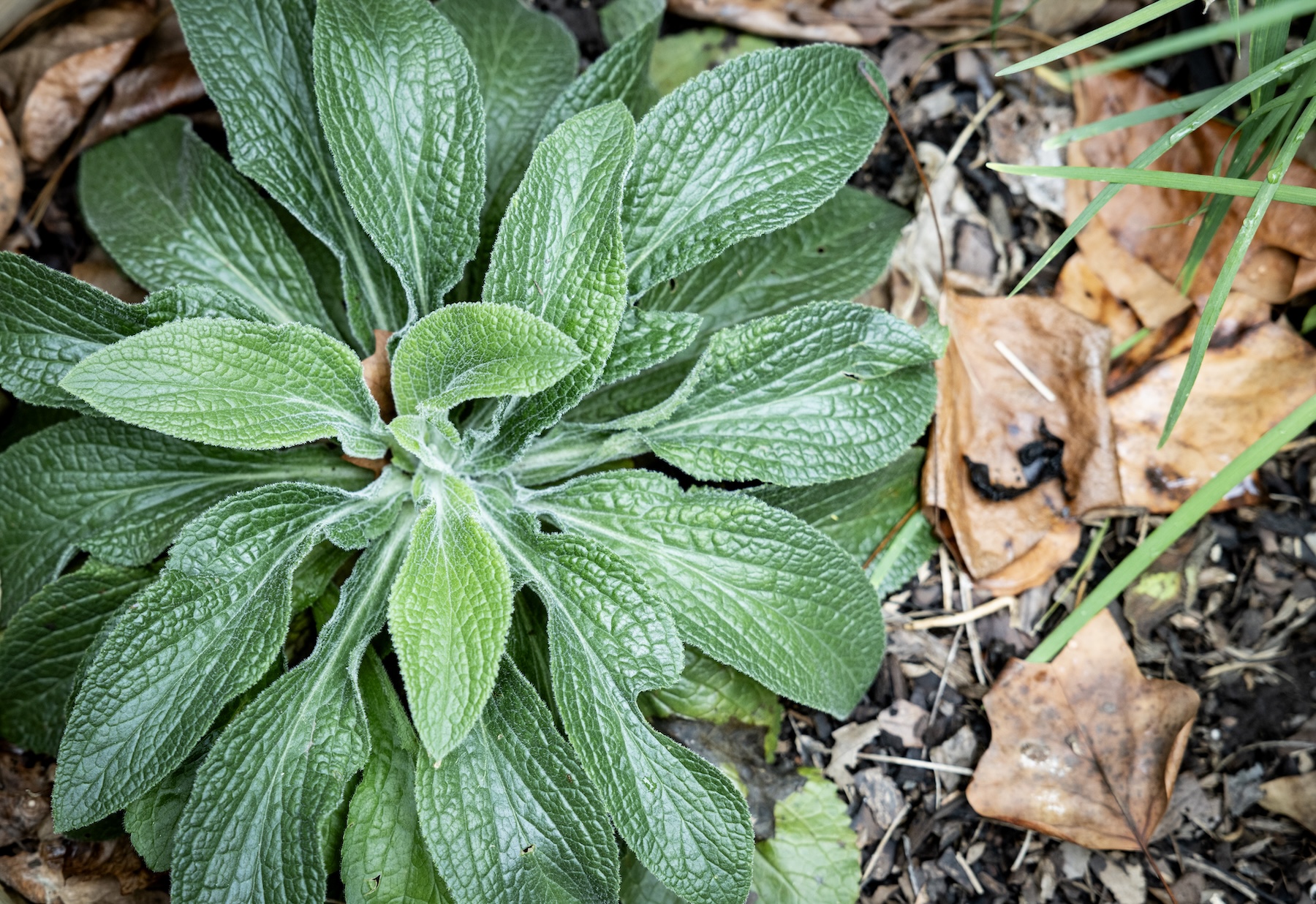
Foxglove - Digitalis Purpurea: Foxglove is used to make Digoxin. Just grams of digitalis purpurea can cause nausea, vomiting, vision changes and dangerous heart rhythm problems that may be fatal. In tiny microgram doses, however, it can treat abnormal heart rhythms and improve heart function in heart failure (per American Heart Association guidance). Because of its potency, it requires routine monitoring.
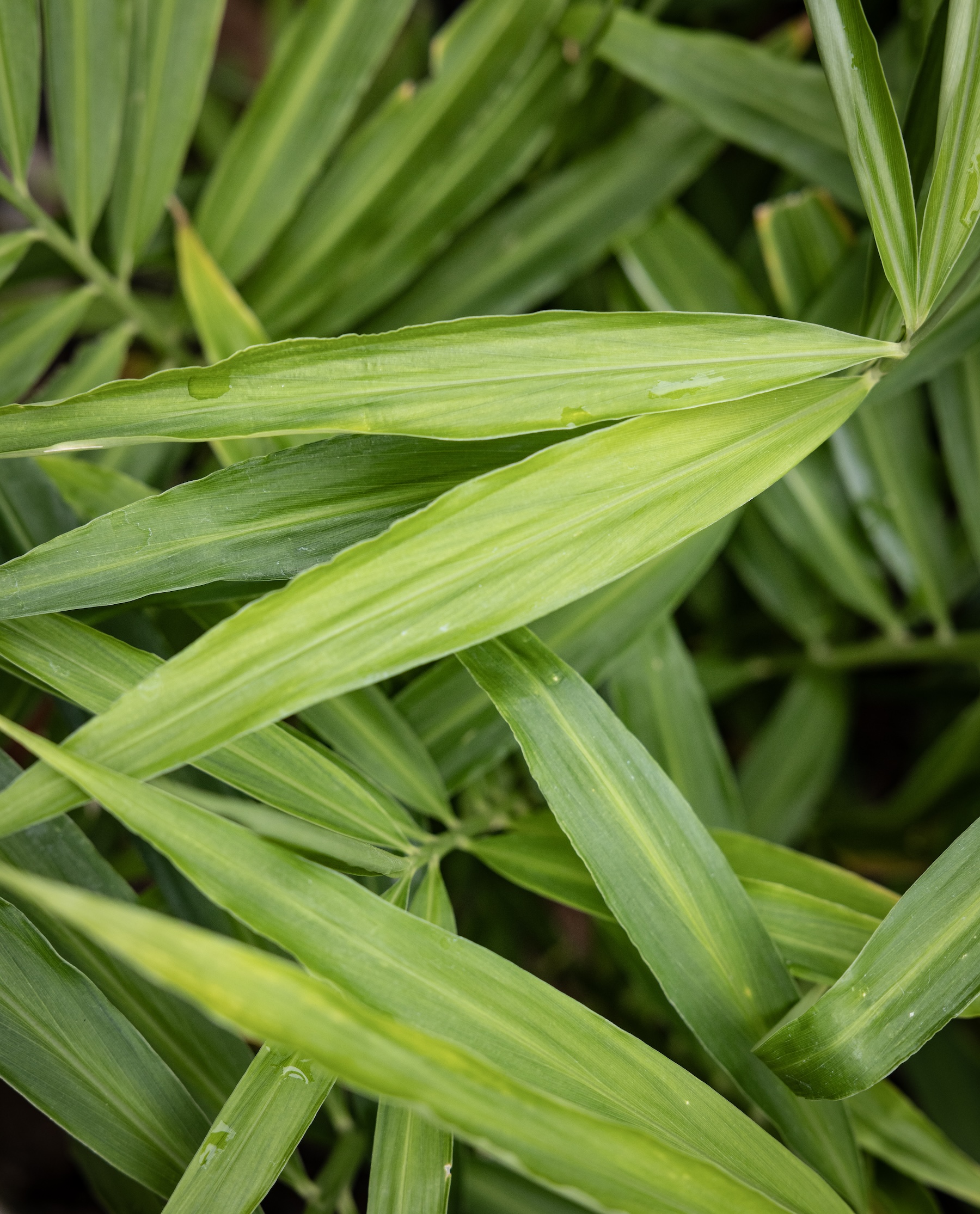
Ginger - Zingiber Officinale: Ginger has been used for centuries in many cultures. Today, the American College of Obstetricians and Gynecologists and the American Academy of Family Physicians recommend it as a safe option for nausea in pregnancy and after surgery. It has also been studied for nausea related to chemotherapy and motion, with mixed results.
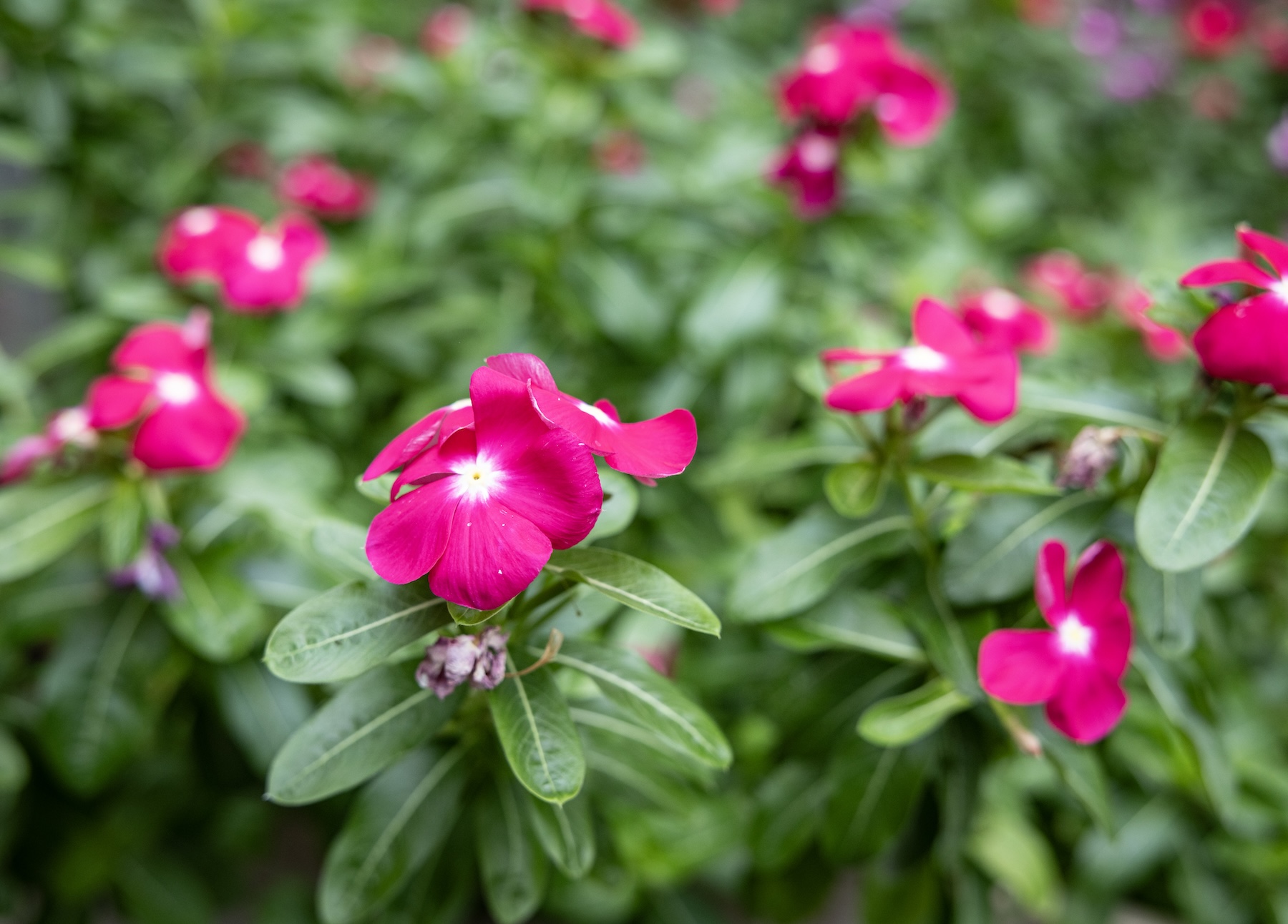
Vincristine – Periwinkle - Catharanthus Roseus: Vincristine and vinblastine are cancer medicines found in Madagascar periwinkle. Vincristine is FDA-approved and appears in American Society of Clinical Oncology guidelines for leukemia, lymphoma and several pediatric cancers. Vinblastine treats bladder and testicular cancers and Hodgkin’s lymphoma. Producing 1 gram once required 500 kg of dried plants, but engineered E. coli can now make the drug. The plant was also used traditionally for diabetes, though large human studies have not shown benefit.
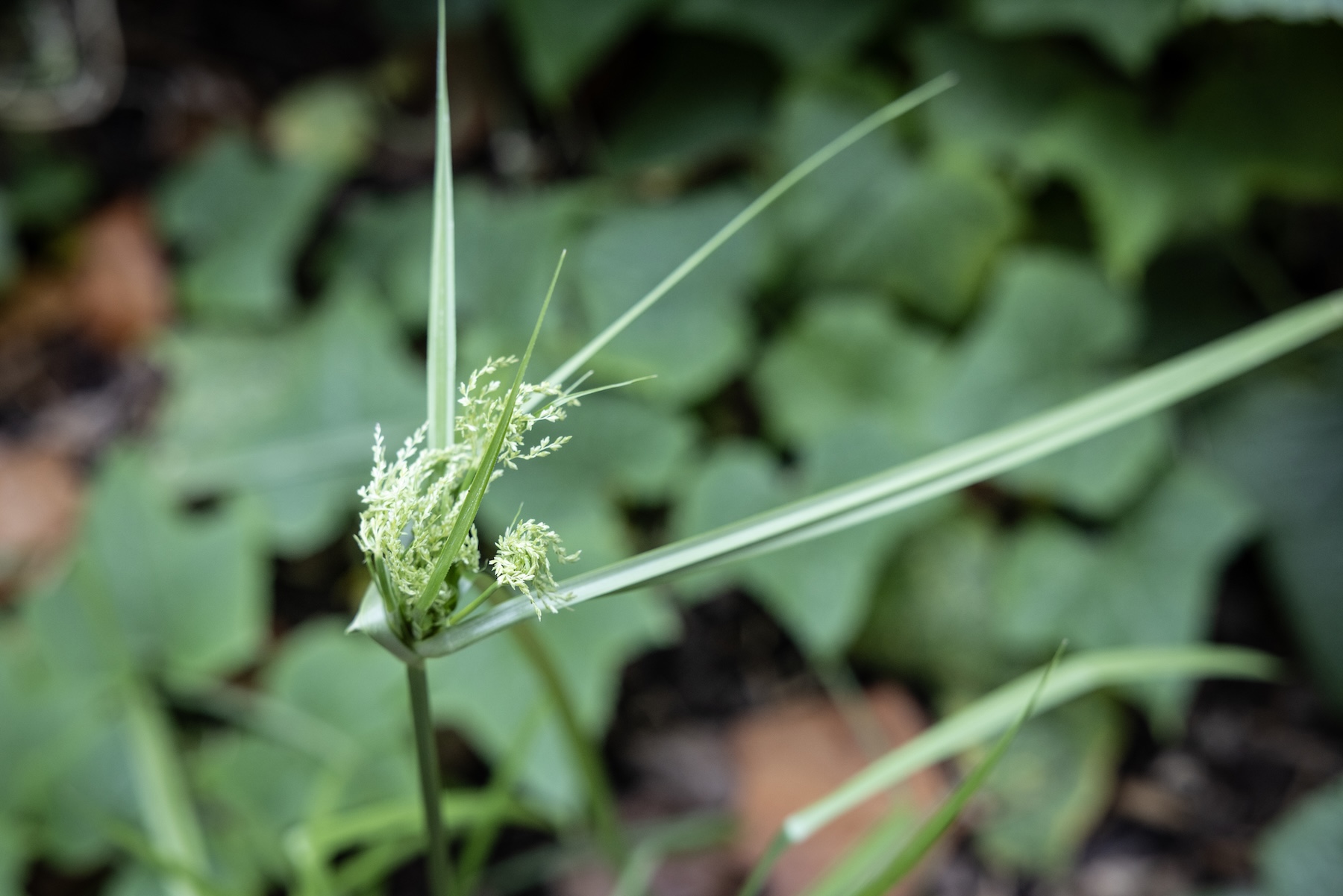
Psyllium husk - Plantago Ovata: Plantago ovata, native to India, produces psyllium husk from the fiber in its seeds. This fiber laxative is first-line treatment for chronic idiopathic constipation in American Gastroenterological Association guidelines. Higher fiber intake is also linked to lower colon cancer risk.
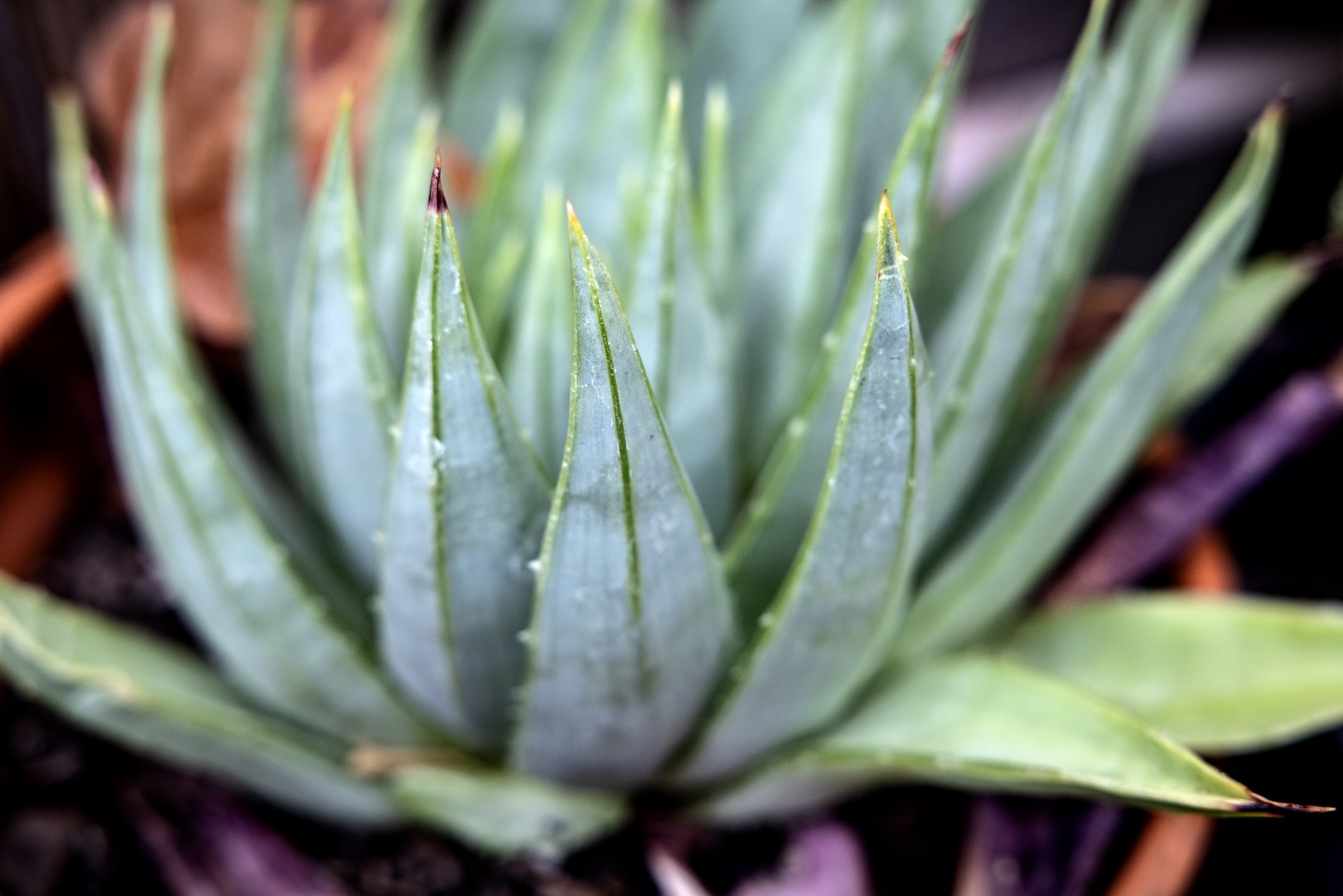
Aloe vera - From ancient Rome to ancient China and more, aloe vera has been used topically for millennia. The American Academy of Dermatology recommends it as a soothing treatment for sunburned skin.
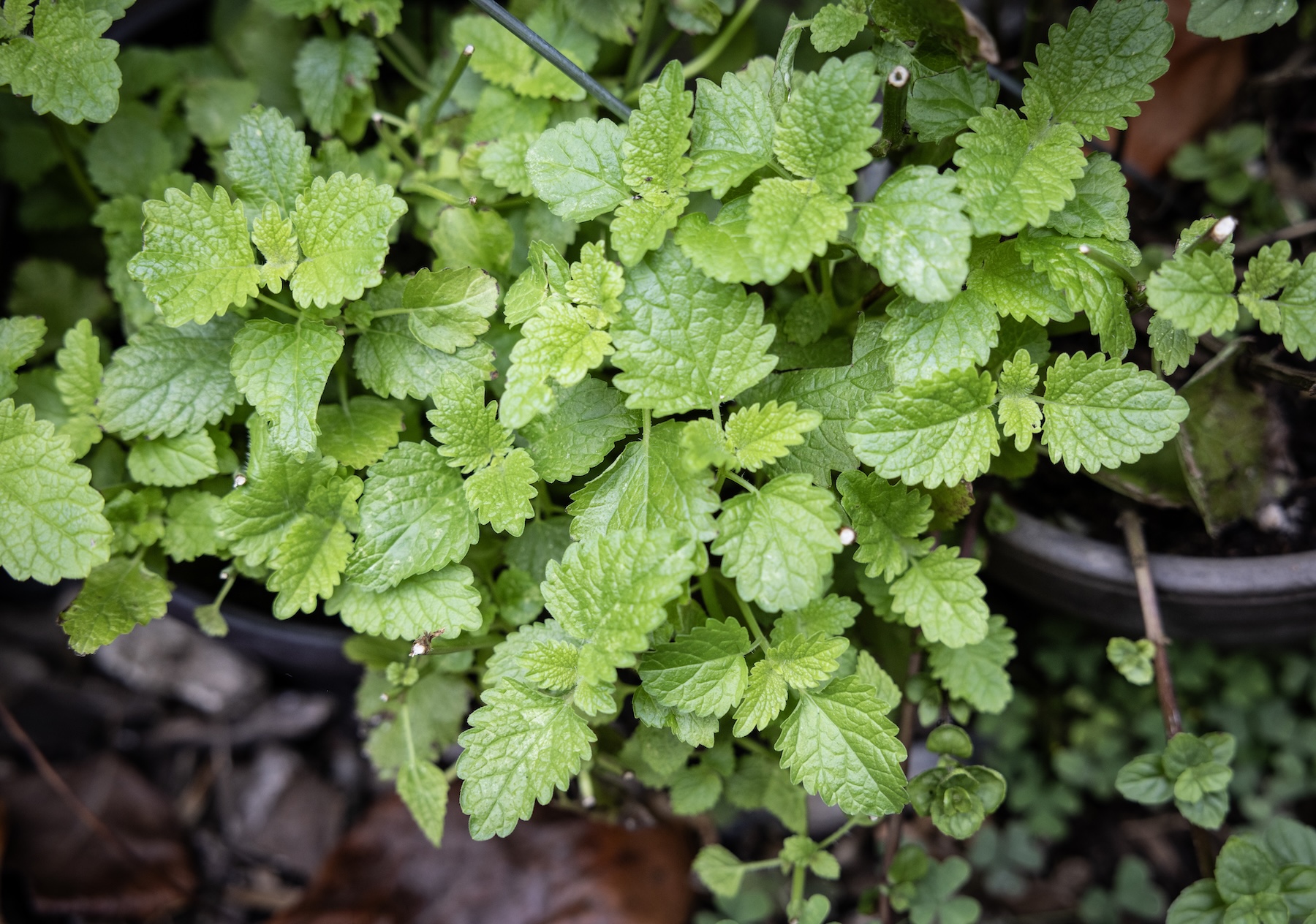
Peppermint oil - Mentha x Piperita: Peppermint - specifically peppermint oil - is supported by American College of Gastroenterology guidelines for global symptoms of irritable bowel syndrome (IBS). Mint extracts have been used in many cultures for digestive concerns.
Want to learn more about the medicinal plants? Read here.